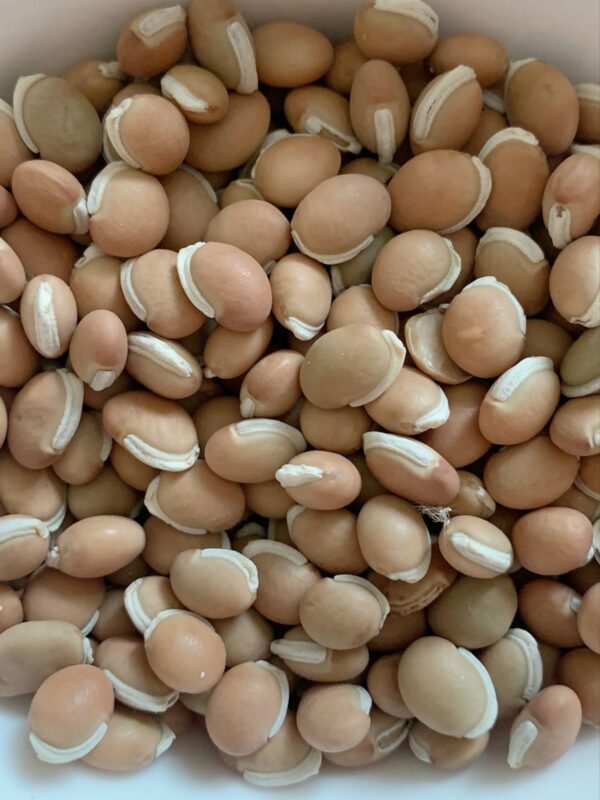
Dolichos Broad Bean#16
15 seeds per pack.The Green Long Thin Broad Bean is a slender, vibrant green variety of broad bean known for its tender texture and mild flavor. It is commonly used in soups, stews, and stir-fries, offering nutritional benefits such as protein, fiber, vitamins, and minerals. These beans are grown in temperate climates and are prized for their versatility in cooking and health benefits.
Double Bean(Broad lima big)18
15 seeds per pack.Double Bean-Broad Lima Big Beans are a traditional, open-pollinated variety with a history of being passed down through generations, they would indeed be classified as heirloom beans.
Broad Lima beans (or Big Beans) are large, flat beans with a rich, buttery texture, perfect for a variety of hearty dishes. While Double Beans may refer to their dual-purpose or growth pattern, it is most likely a description of a large Lima bean variety that’s particularly valued for its size and culinary potential.
Elephant Ear Broad Bean#5
15 seeds per pack.The Elephant Ear Broad Bean is a variety of Vicia faba known for its large, distinctive leaves that resemble elephant ears. It grows tall, producing pods with large, nutritious beans that can be eaten fresh or dried. This variety thrives in cool climates and fertile soil, offering both ornamental appeal and a high-protein, fiber-rich food source.
Green Short Medium Hyacinth Broad Bean#9
15 seeds per pack.Green Short Medium Broad Beans are a compact, nutrient-rich variety of broad beans with medium-sized pods and green beans. These beans are excellent sources of plant-based protein, fiber, and essential vitamins and minerals. They grow on relatively short plants (2-3 feet tall) that are well-suited for small spaces, making them perfect for home gardeners. Whether used fresh or dried, Green Short Medium Broad Beans are versatile in the kitchen, ideal for soups, salads, stews, and dips. They are easy to grow, but like all broad beans, should be thoroughly cooked to avoid the natural toxins present in raw beans.
Green Short Medium Broad Bean is passed down through generations or has a long cultivation history, particularly with open-pollinated traits, it could be classified as heirloom. However, this depends on its specific history and cultivation practices. Generally, heirloom varieties are valued for their unique characteristics and the continuity of traditional farming practices.
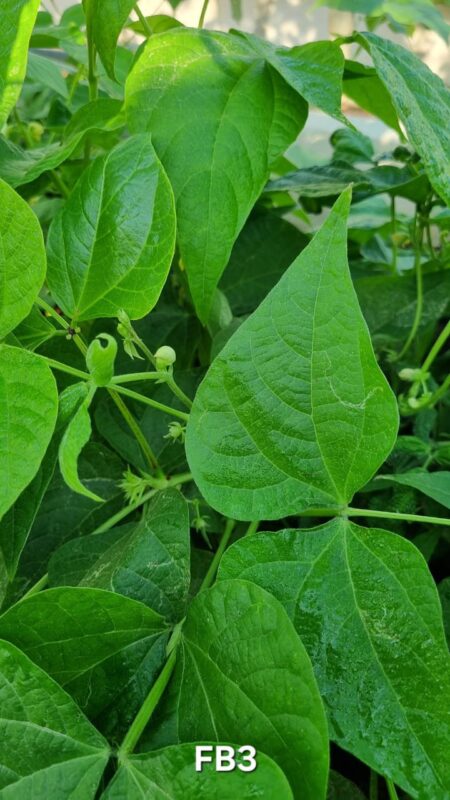
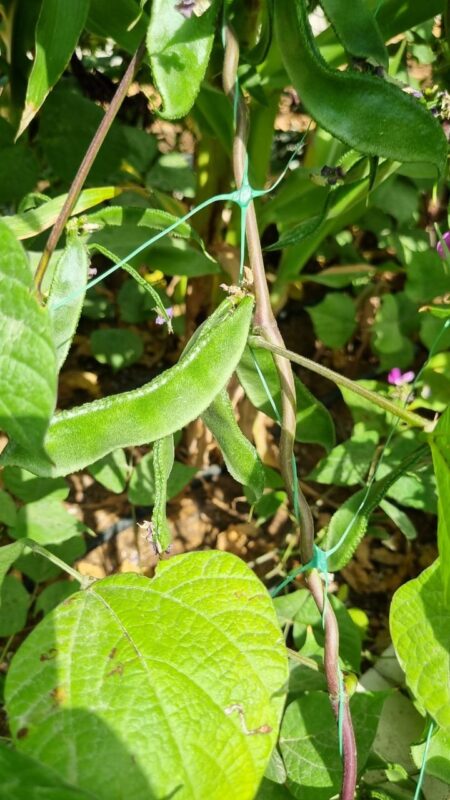
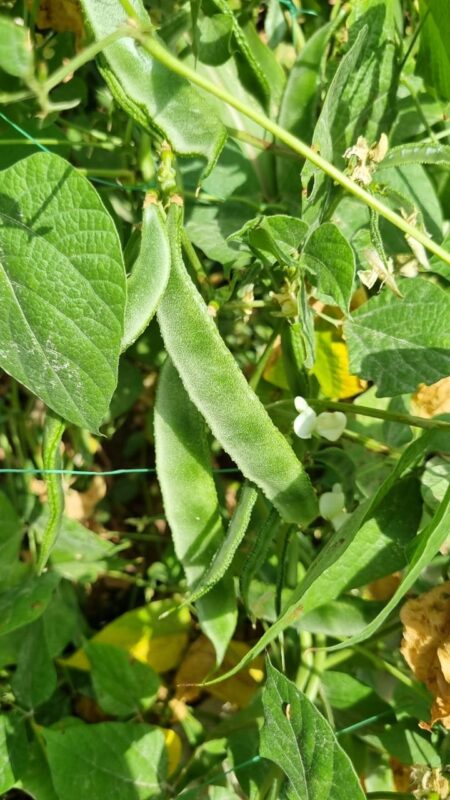
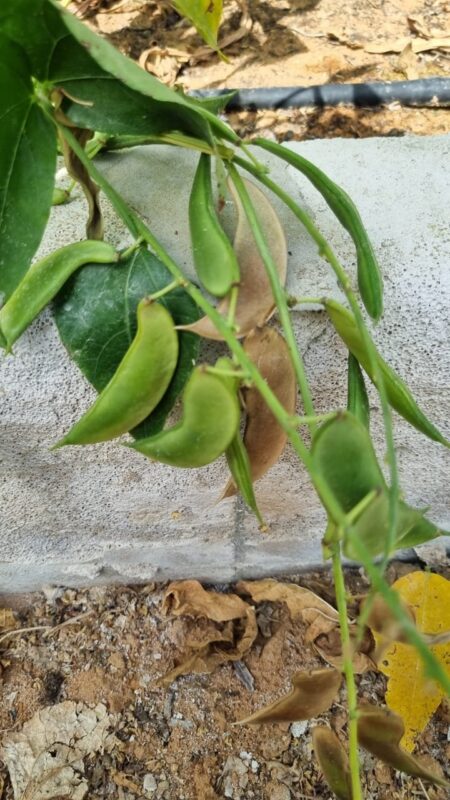
Green Thin Long Broad Bean#13
15 seeds per pack.Green Thin Long Broad Beans can be considered an heirloom variety if they have been passed down through generations of traditional farming or gardening practices. Heirloom varieties are typically open-pollinated plants that have been cultivated for their unique characteristics, flavor, or adaptability to specific climates.
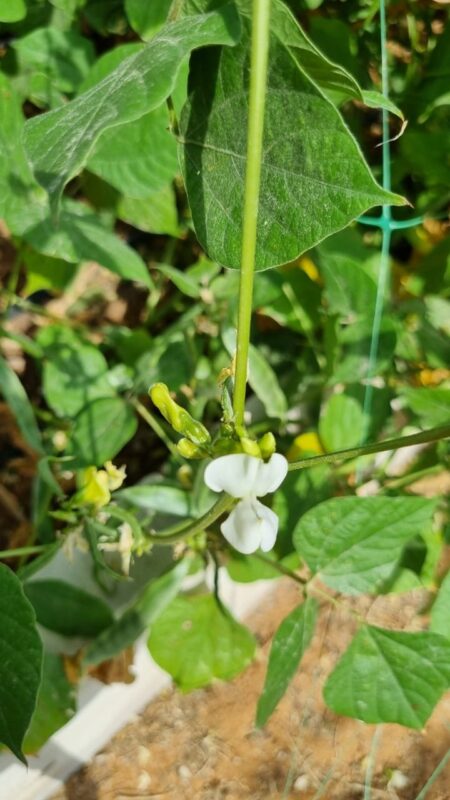
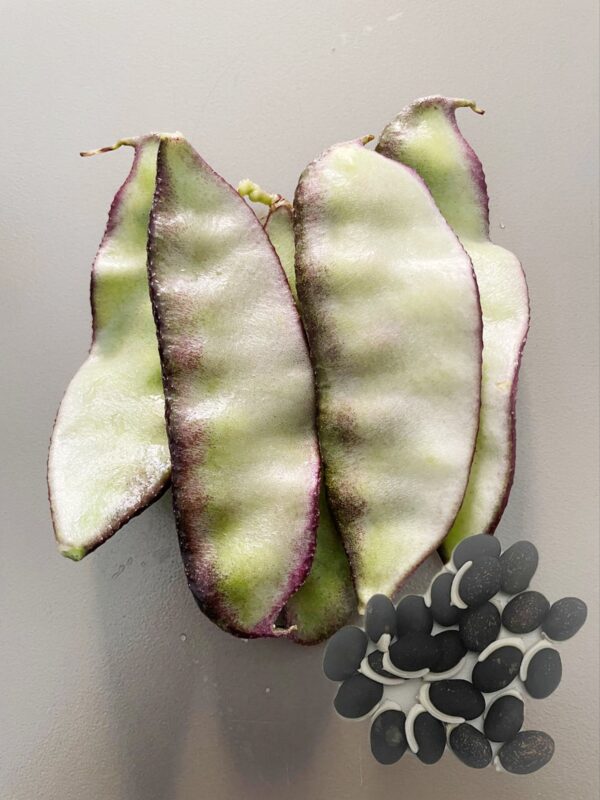
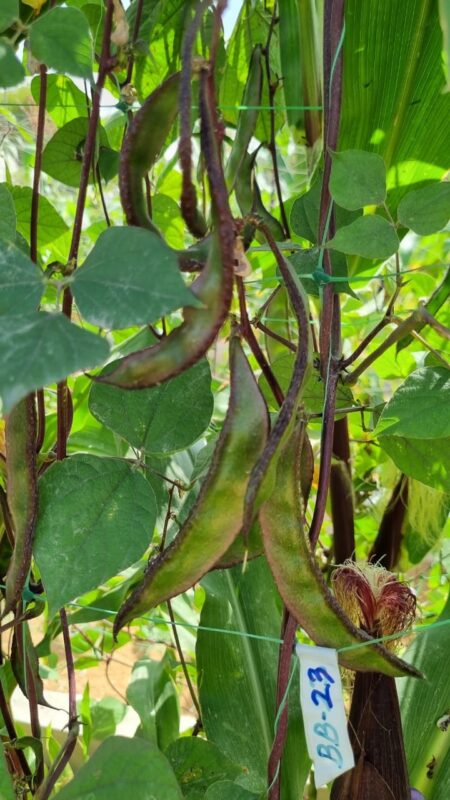
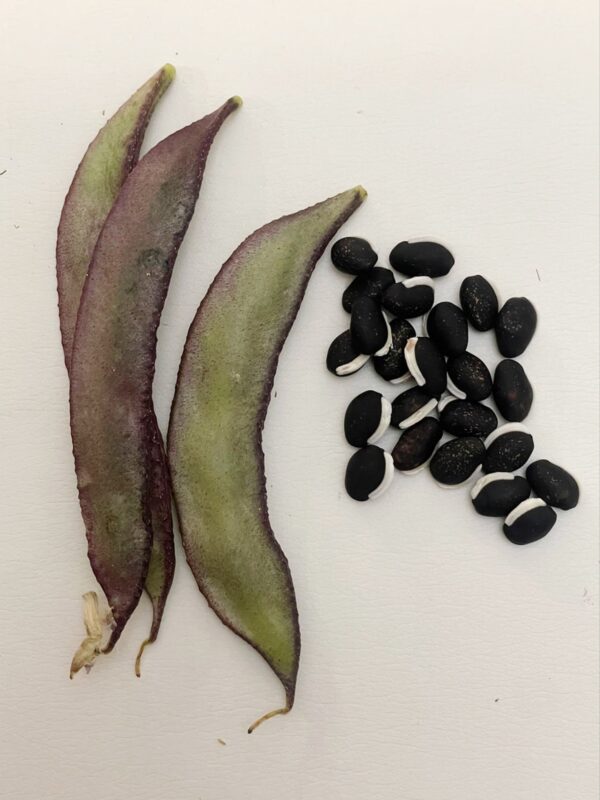
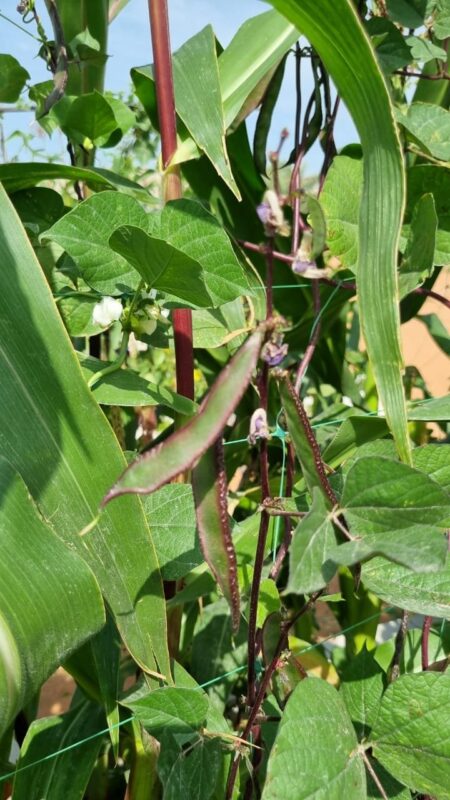
Green with Purple Elephant Broad Bean#22
15 seeds per pack.Green with Purple Elephant Broad Beans are a large, striking variety of broad beans, known for their distinctive green and purple appearance, robust plant growth, and mild, nutty flavor. They are rich in protein, fiber, and essential nutrients, making them a valuable addition to any diet. These beans are versatile in cooking, suitable for use in a variety of dishes, and can be eaten fresh or dried. However, they must be thoroughly cooked to neutralize natural toxins. With proper care and storage, they offer both culinary and nutritional benefits.
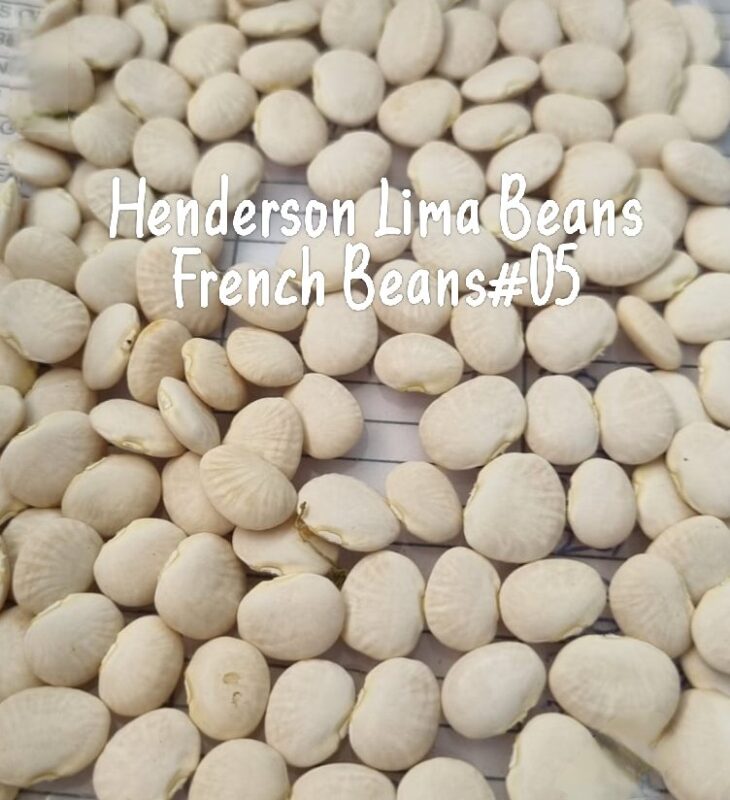
Henderson Lima Bush Beans-French Bean#05
10 seeds per pack.Here’s a short summary of Henderson Lima Beans:
- Type: Bush baby lima bean (butterbean)
- Days to Maturity: 65–75 days
- Plant Size: Compact, about 12–18 inches tall
- Beans: Small, creamy-white, buttery flavor
- Use: Great for fresh eating, freezing, or canning
- Growth: High-yielding, no trellis needed
- Planting: Direct sow after the last frost in full sun.
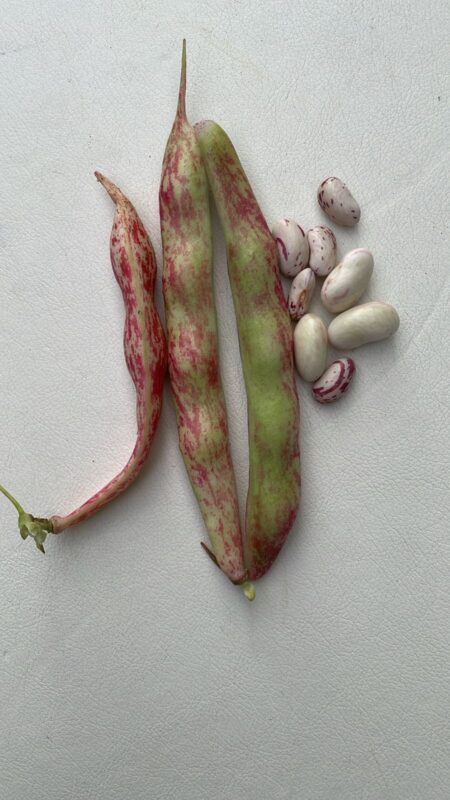
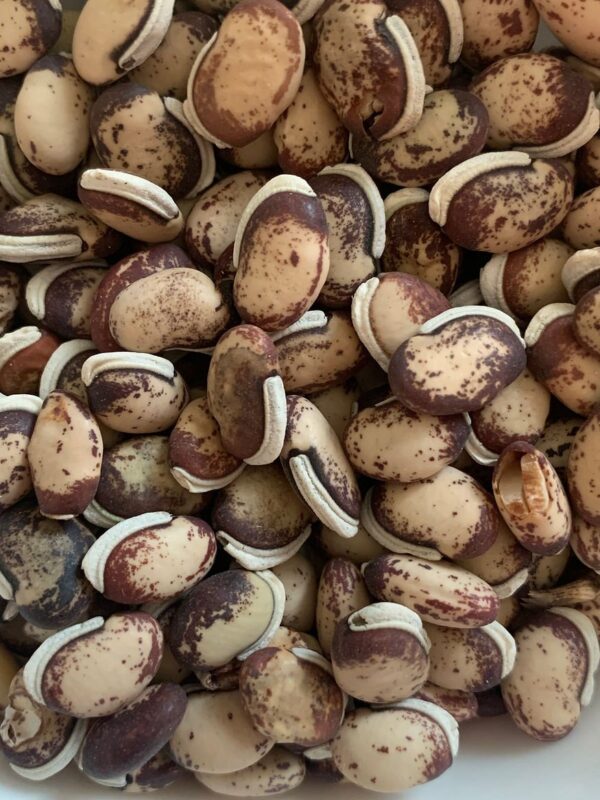
Hyacinth Field Bean Striped Bush-#FB78
15 seeds per pack.Striped bush beans are often considered heirloom varieties, particularly varieties like ‘Dragon Tongue’ and ‘Royal Burgundy’. Heirloom beans are traditional, open-pollinated cultivars that have been passed down through generations, valued for their unique flavors, colors, and resilience. These beans tend to be more flavorful and diverse compared to modern hybrid varieties, and they are typically grown by gardeners and farmers who value preserving genetic diversity and maintaining agricultural heritage.
In the case of striped bush beans, their distinctive appearance—such as purple or yellow stripes on the pods—adds to their appeal as heirlooms, making them a popular choice for gardeners who want to grow something both visually striking and historically significant.