Organic Green Short Medium Broad Beans are a type of broad bean (also known as fava beans) that is characterized by its shorter stature, medium-sized pods, and green-colored beans. These beans are valued for their compact growth habit and versatility in the kitchen. Below is a detailed overview of this variety:
1. Appearance:
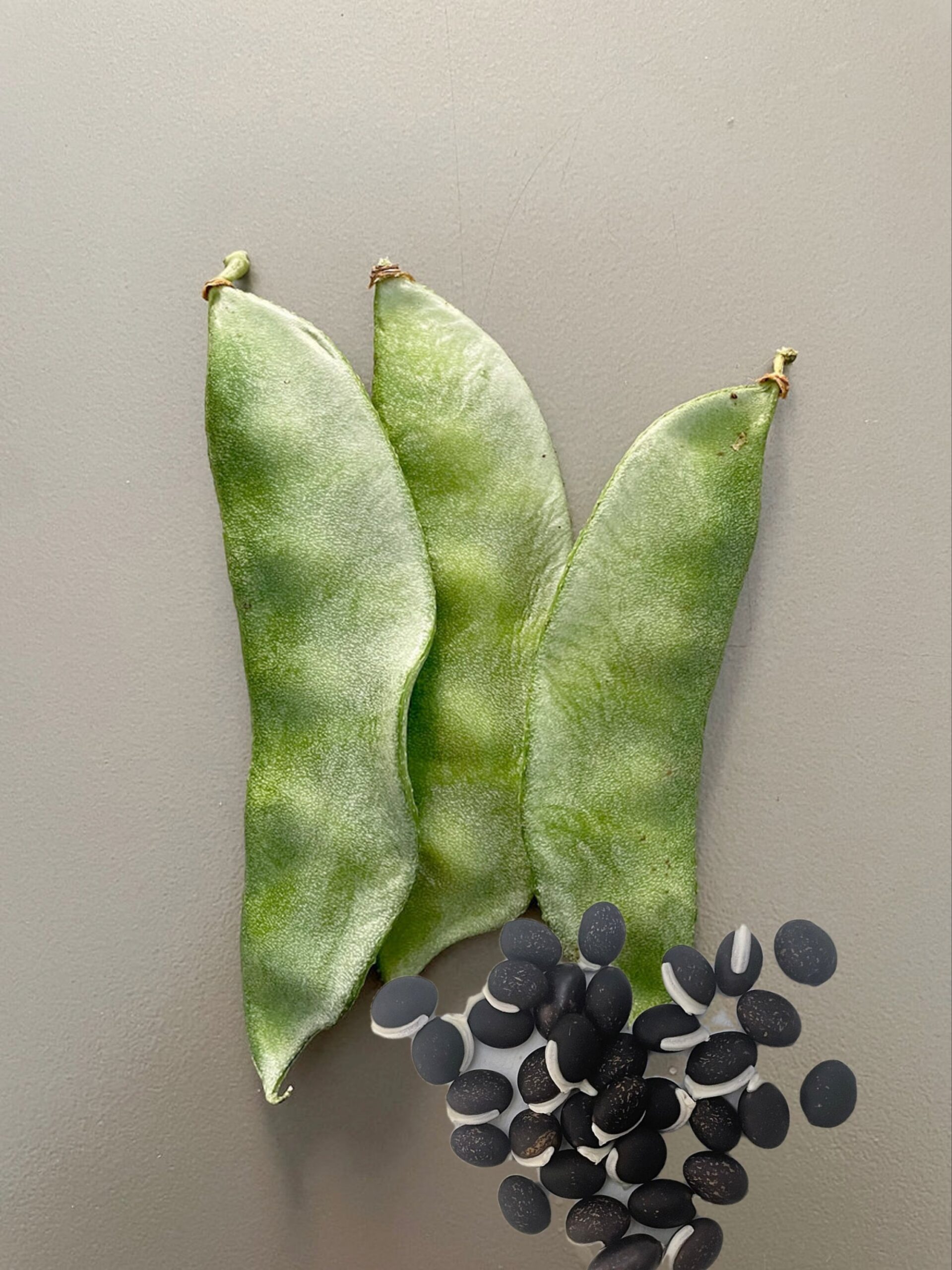
– Beans: The beans themselves are medium-sized, broad, and flat with a smooth, green surface when young. As the beans mature, they may become paler or cream-colored.
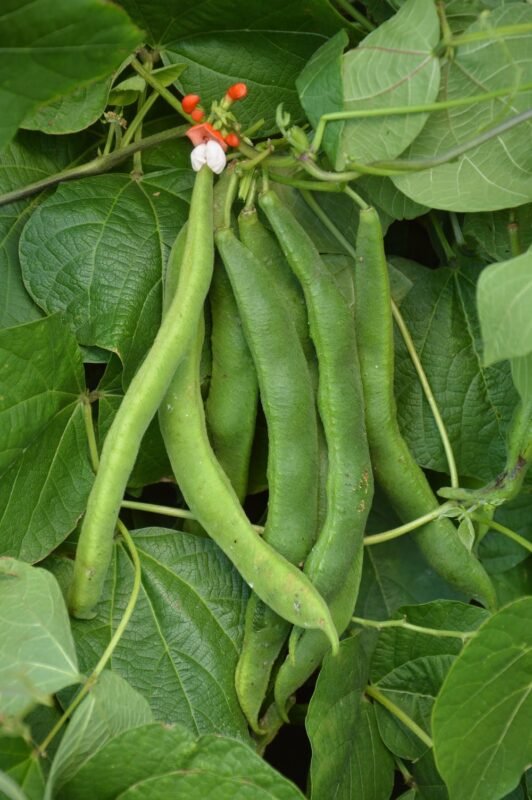
– Pods: The pods are typically medium-sized, growing around 4-6 inches (10-15 ) long. They are thinner than the pods of larger broad bean varieties and contain 4-6 beans each.
– Color: As mentioned, the beans are usually green when harvested young. As the beans mature, they may shift to a lighter, pale green or even a light tan color, depending on the variety.
2. Plant Characteristics:
– Compact Growth: The “short” in the name refers to the plant’s more compact and bushy growth habit, which is usually around 2-3 feet (60-90 cm) tall. This makes it suitable for smaller garden spaces or raised beds.
– Vigorous: The plants are typically sturdy and can produce a high yield of medium-sized beans, even in smaller spaces. Their short stature makes them easier to harvest and manage compared to taller varieties of broad beans.
– Flowering: Green Short Medium Broad Beans typically produce white or pale-colored flowers, often with a hint of purple. These flowers eventually give way to the characteristic bean pods.
3. Cultivation:
– Climate: Like all broad beans, Green Short Medium Broad Beans prefer cooler growing conditions, thriving in temperatures between 55°F and 75°F (13°C-24°C). They are typically planted in early spring or late autumn, when frost is not a concern.
– Soil: These beans prefer well-drained, fertile soil and full sunlight. Broad beans are nitrogen-fixing plants, meaning they enrich the soil by converting nitrogen from the air into a usable form for other plants.
– Watering: They require consistent watering, but the soil should not remain waterlogged. A moderate watering schedule works best for broad beans, especially during dry spells.
4. Nutritional Value:
– Protein: Broad beans are an excellent source of plant-based protein, making them a great addition to vegetarian and vegan diets.
– Fiber: Green Short Medium Broad Beans are high in dietary fiber, which helps improve digestion and regulate blood sugar levels.
– Vitamins & Minerals: These beans are rich in folate, iron, magnesium, potassium, and B-vitamins, which support energy production, immune function, and overall health.
– Low in Fat: Like all broad beans, they are low in fat and provide a healthy source of nutrients without contributing to high calorie intake.
5. Culinary Uses:
– Fresh Beans: When harvested young, these beans can be eaten fresh, after being boiled or steamed. They can be added to soups, stews, and salads, or simply enjoyed as a side dish.
– Dried Beans: When left to mature fully, these beans can be harvested and dried for use in various dishes. Dried broad beans are commonly used in soups, stews, curries, and as a protein-rich ingredient in many plant-based meals.
-Flavor: The beans have a mild, nutty flavor and a creamy texture when cooked. They are often described as slightly sweet and are very versatile in cooking.
– Culinary Traditions: Broad beans, including the short-medium varieties, are popular in Mediterranean, Middle Eastern, and North African cuisines. They are key ingredients in dishes like **ful medames** (Egyptian fava bean stew) and **broad bean dips**.
6. Health Considerations:
– Toxins: Like all broad beans, Green Short Medium Broad Beans contain naturally occurring toxins called vicine and convicine, which can cause a reaction known as favism in susceptible individuals. However, these toxins are deactivated through proper cooking. Beans should always be boiled or blanched thoroughly before consumption.
– Favism: Individuals with favism (a genetic condition affecting the metabolism of certain compounds in broad beans) should avoid consuming them, as the toxins can cause hemolytic anemia.
7. Storage:
– Fresh Beans: Fresh beans should be stored in the refrigerator and can last up to one week. If you can’t consume them in time, they can be **blanched and frozen** for longer storage.
– Dried Beans: Dried beans should be stored in an airtight container in a cool, dry place. They can last for several months, and once ready to cook, they should be soaked overnight and then boiled thoroughly.
8. Other Uses:
– Soil Health: As legumes, these beans are great for improving soil quality. They have the ability to fix nitrogen, enriching the soil for future crops. This makes them a good choice for crop rotation or as a green manure.
– Livestock Feed: Broad beans are sometimes used as fodder for livestock, as they are high in protein and can support the growth of animals.
Related








Reviews
Clear filtersThere are no reviews yet.