





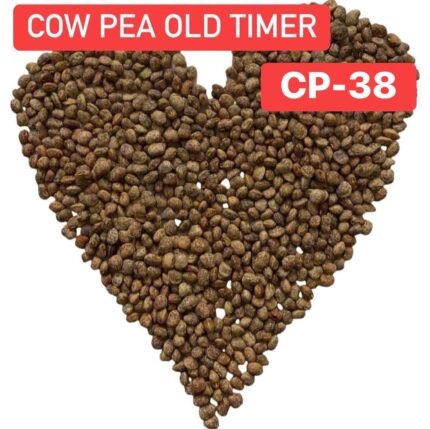
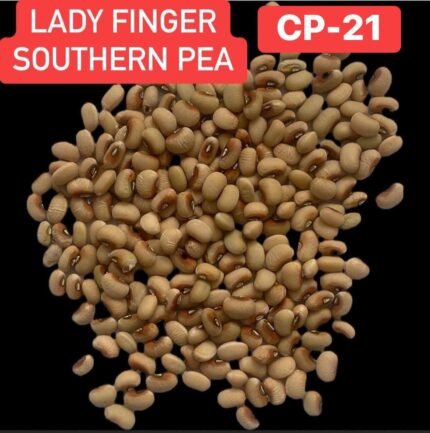
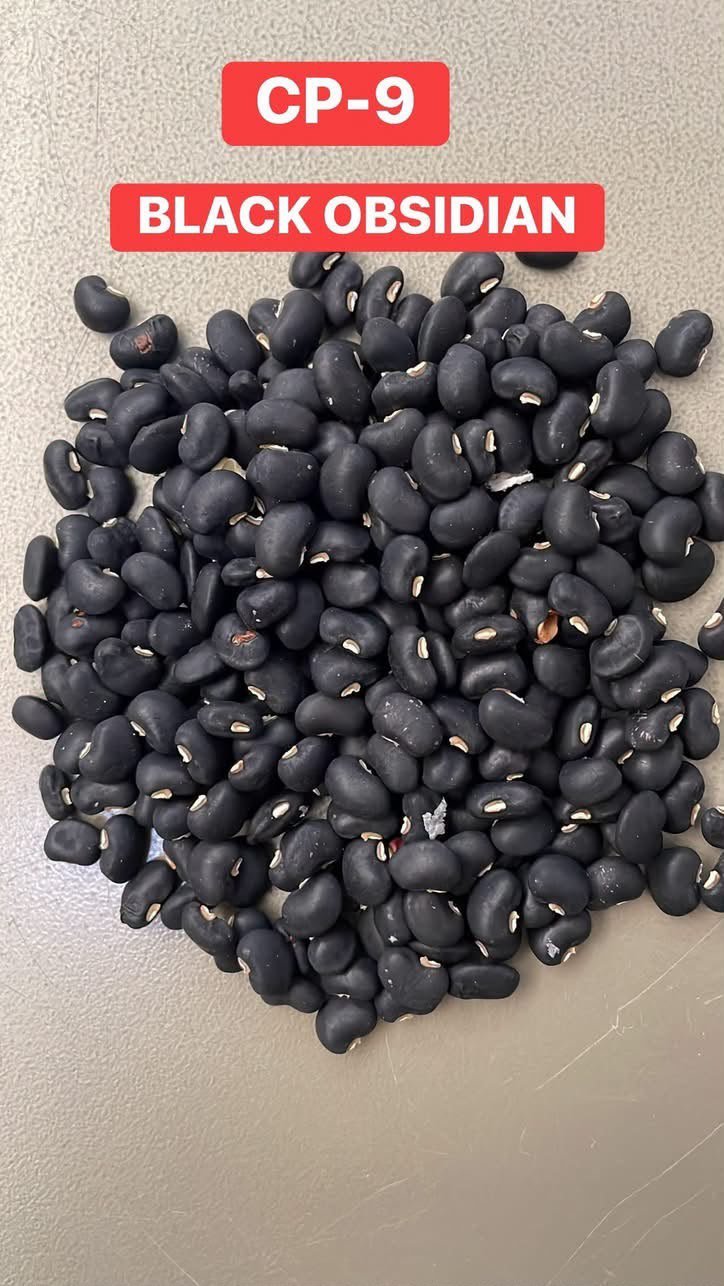
Black obsidian cowpea refers to black-seeded varieties of the cowpea (Vigna unguiculata
), an annual, protein-rich legume often grouped with black-eyed peas.
Plant & Seed Characteristics
Appearance:
Features solid black, smooth seeds (similar to varieties like ‘Ebony’) or dark-colored pods that mature to a greyed-orange.
Appearance:
Features solid black, smooth seeds (similar to varieties like ‘Ebony’) or dark-colored pods that mature to a greyed-orange.
- Growth Habit:
- Varies from upright bush types (0.3–0.6 meters tall) to trailing or climbing vines (1.5 meters or more) depending on the specific cultivar.
Roots:
- Develops deep taproots quickly, allowing exceptional penetration and moisture access.
Cultivation & Climate
Heat & Drought Tolerance:
Thrives in hot, semi-arid conditions and handles drought better than many other common pulse crops.
Soil Requirements:
- Prefers well-drained soils and tolerates poor, sandy soils with low organic matter. It dislikes waterlogged or poorly drained ground.
- Soil Enrichment:Functions effectively as a green manure or cover crop, fixing atmospheric nitrogen to improve soil fertility for subsequent plantings.
- Time to Maturity:
Typically ready for green pods in 60–70 days and dry black seeds in 80–100 days.
-
Uses
- Culinary:
The seeds can be cooked and consumed like other beans or dry peas, offering high nutritive value and protein.
Forage & Agriculture:
- Used widely as high-protein livestock feed, hay, or silage, as well as a companion crop in mixed farming systems.
Reviews
Clear filtersThere are no reviews yet.