



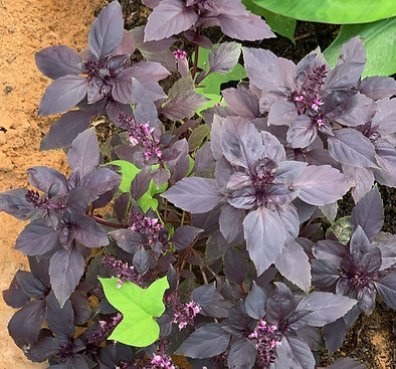
Purple Basil (Ocimum basilicum ‘Purpurascens’)
Purple Basil is an attractive aromatic herb belonging to the mint family (Lamiaceae). It is widely recognized for its deep purple to burgundy foliage, pleasant spicy fragrance, and ornamental appearance.
It is also known as Red Basil or Opal Basil. Purple Basil is cultivated for its edible leaves, culinary applications, ornamental landscaping, and aromatic properties.
Several popular cultivars include ‘Dark Opal’, ‘Purple Ruffles’, ‘Red Rubin’, and ‘Osmin Purple’.
Botanical Characteristics
A. Leaves
- Simple and opposite leaf arrangement.
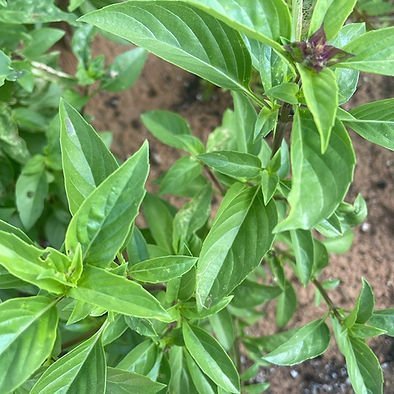
- Oval to elliptical leaf shape.
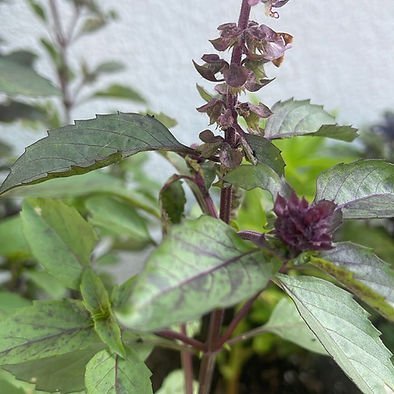
- Deep purple, reddish-purple, or burgundy coloration.
- Smooth or slightly wrinkled leaf surface.
- Slightly toothed or smooth leaf margins, depending on cultivar.
- Aromatic leaves with a spicy fragrance.
- Purple coloration is associated with anthocyanin pigments.
B. Stems
- Upright and branching growth.
- Square-shaped stems, characteristic of the mint family.
- Purple to reddish-purple coloration.
- Produces multiple lateral branches.
- Young stems are generally tender and aromatic.
C. Flowers
- Small, tubular flowers.
- Pink, lavender, or purple coloration.
- Arranged in terminal flower spikes.
- Attractive to bees and other pollinators.
- Usually flowers during warm growing conditions.
D. Roots
- Branched fibrous root system.
- Requires loose and well-drained soil.
- Sensitive to prolonged waterlogging.
Uses of Purple Basil
A. Culinary Uses
- Used in fresh vegetable salads.
- Added to pasta dishes and sauces.
- Used in pesto preparation.
- Added to soups and stews.
- Used as a garnish for different dishes.
- Incorporated into sandwiches and wraps.
- Used to prepare aromatic herbal vinegar.
- Can be consumed fresh or dried.
B. Ornamental Uses
- Suitable for ornamental herb gardens.
- Attractive in flower beds and garden borders.
- Ideal for container gardening.
- Provides color contrast when planted with green-leaved herbs.
- Suitable for decorative landscape arrangements.
- Can be used in edible landscaping.
C. Aromatic Uses
- Used in fragrant gardens.
- Fresh leaves can be incorporated into aromatic arrangements.
- Essential oil is studied for its aromatic and chemical properties.
D. Natural Pigment and Food Applications
- Purple leaves contain anthocyanin pigments.
- Can provide natural purple coloration in certain food preparations.
- Used as an attractive garnish.
- Purple basil vinegar can develop a distinctive reddish-purple color.
Reviews
Clear filtersThere are no reviews yet.