


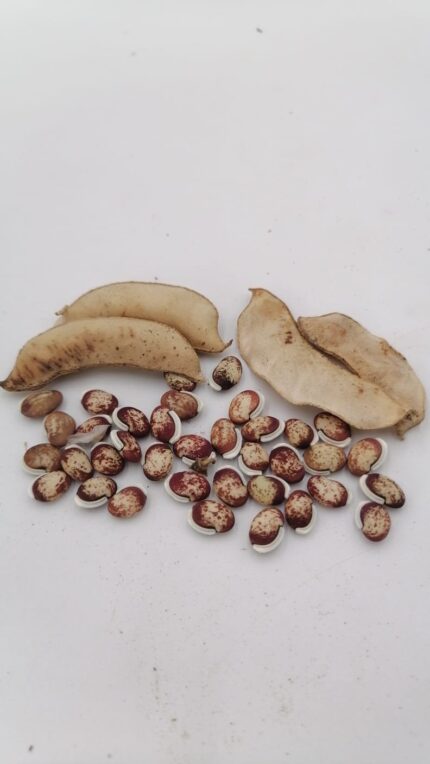
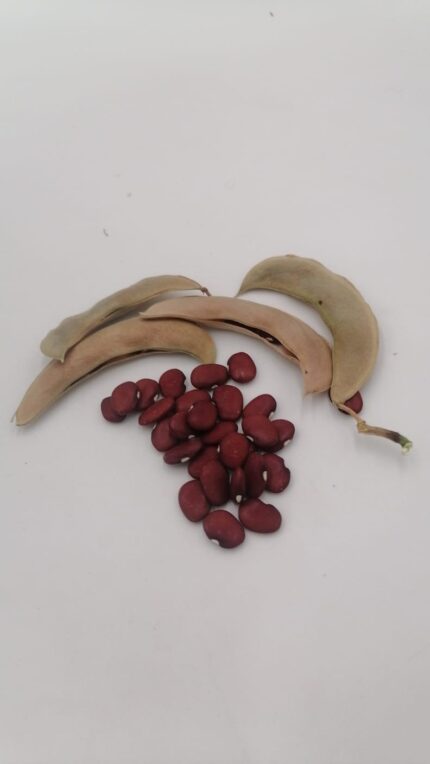
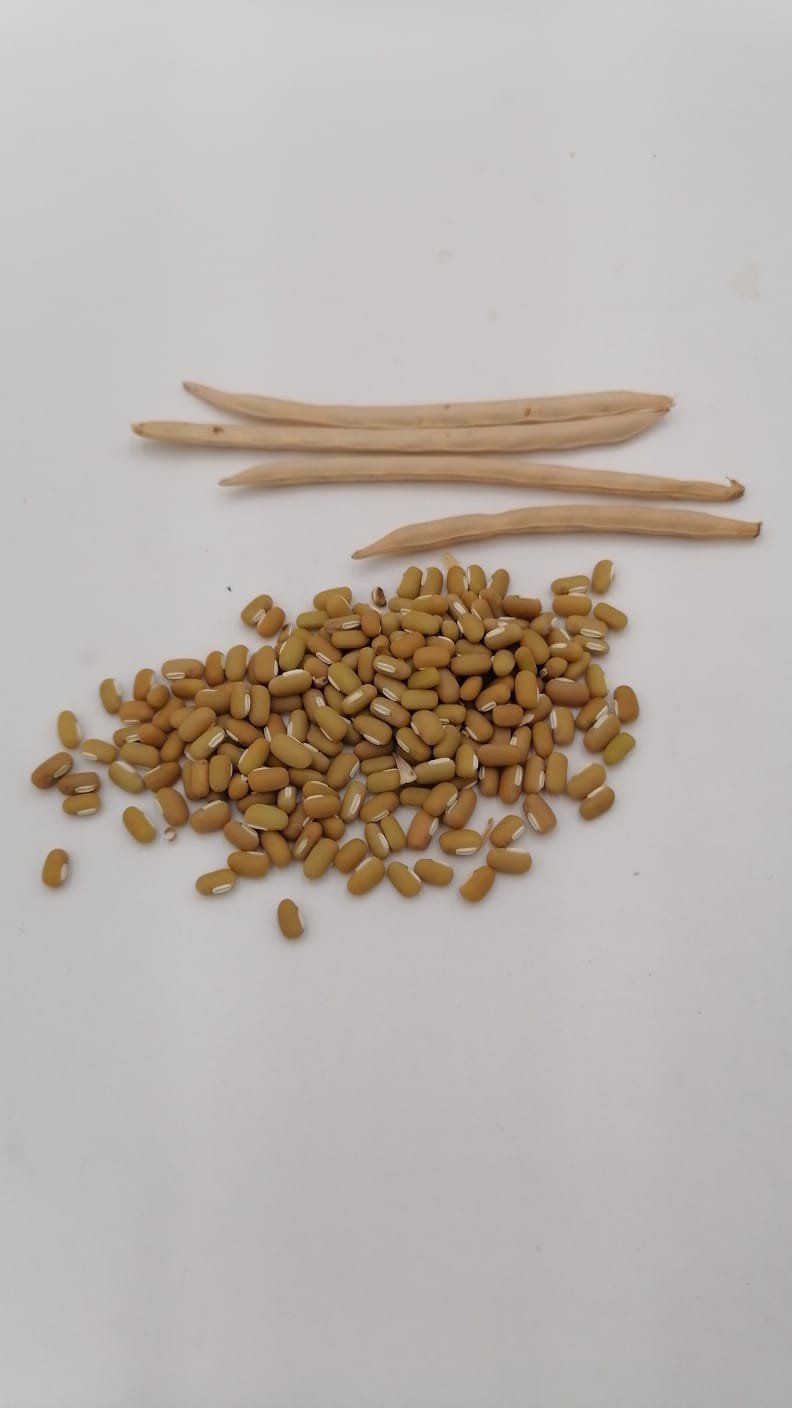
Organic Rice bean (scientific name: Vigna umbellata) is a small, nutritious legume widely grown in Asia, especially in upland and tropical regions.
Plant Characteristics
- Type: Annual legume (can be bushy or climbing)
- Growth habit: Mostly climbing or trailing vine
- Height/Spread: Up to 1–3 meters if supported
- Leaves: Green, trifoliate (3 leaflets)
- Flowers: Small, yellow to pale yellow
Pod & Seed Features
- Pods: Slim, about 6–10 cm long
- Seeds (beans):
- Small and oval
- Colors: red, brown, yellow, or speckled
- Taste: Mild, slightly nutty
Growing Requirements
- Climate: Warm, tropical to subtropical (very suitable in the Philippines)
- Temperature: 20–35°C
- Sunlight: Full sun
- Soil: Well-drained, tolerates poor soils better than many beans
- Water: Moderate; drought-tolerant once established
- Maturity: 60–120 days
Farming Advantages
- Hardy crop – grows even in marginal soils
- Drought-resistant
- Nitrogen-fixing – improves soil fertility
- Often used as:
- Cover crop
- Intercrop with maize or upland rice
Uses
- Human food:
- Cooked like mung beans
- Used in soups, stews, and rice dishes
- Animal feed: Leaves and pods used as fodder
- Green manure: Improves soil health
Nutritional Value
- High in:
- Protein
- Dietary fiber
- Iron
- Calcium
- Good alternative to other legumes like mung bean
Reviews
Clear filtersThere are no reviews yet.