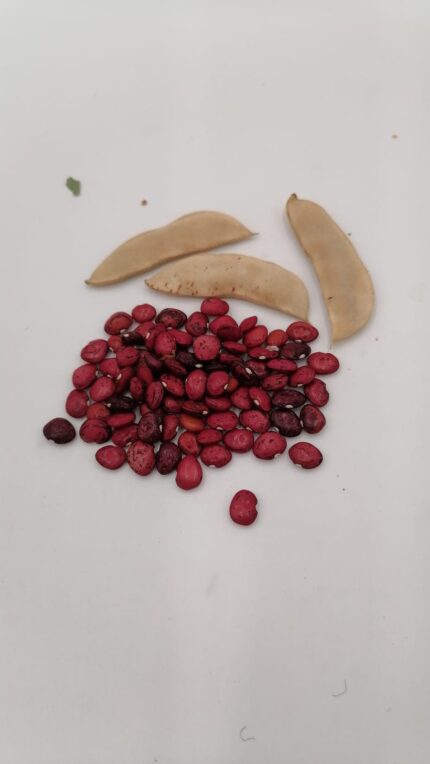
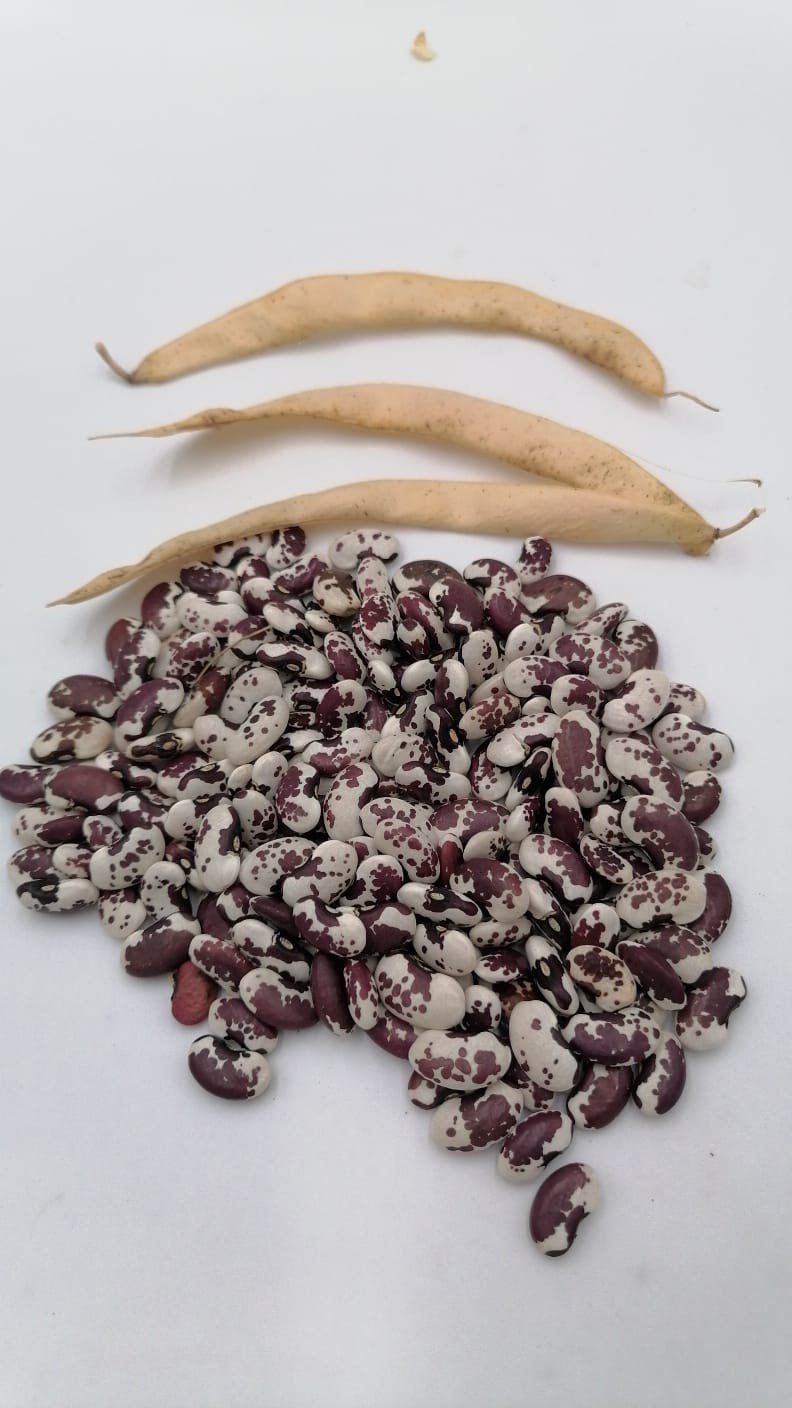
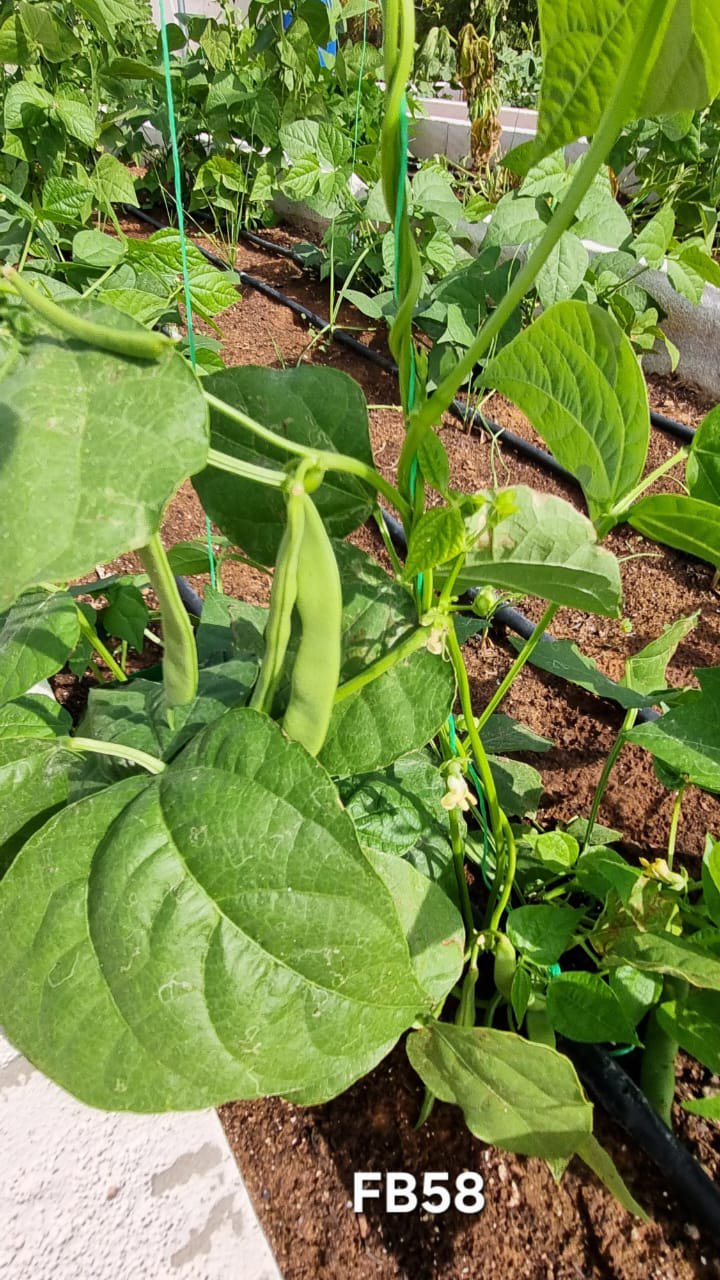
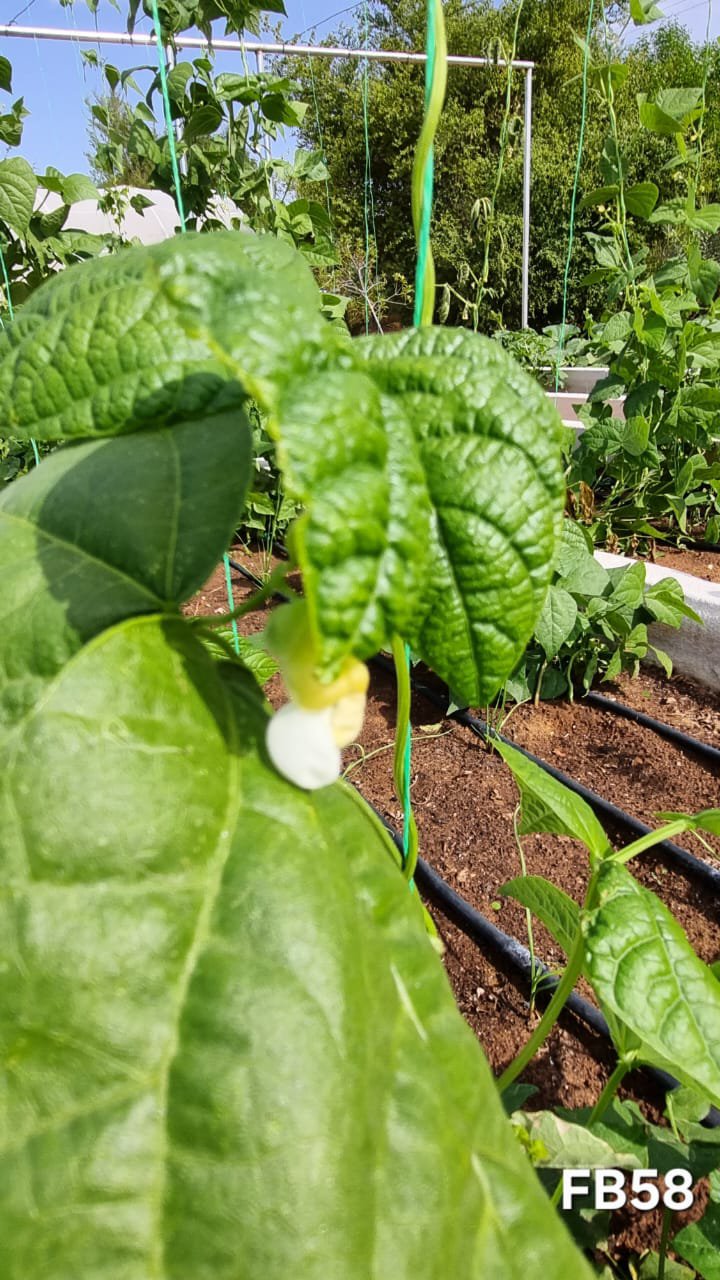
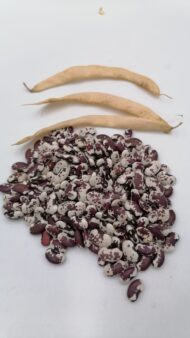
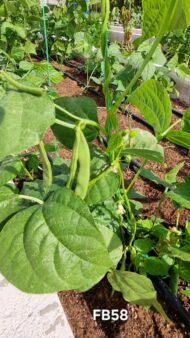
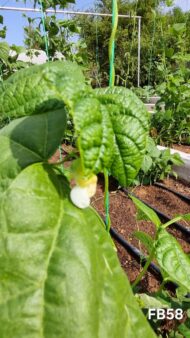
The 1500-Year-Old Cave Bean (Phaseolus vulgaris) is a rare, historic heirloom pole bean from the American Southwest, reputedly found preserved in a sealed clay pot in a New Mexico Anasazi cave, carbon-dated to 1500 years old, featuring mottled white/red kidney-shaped beans, with plants growing 10 ft tall, offering both snap-bean pods when young and flavorful dry beans for soup when mature, connecting gardeners to ancient agriculture.
Key Details
- Origin Story: Found in a sealed clay pot in a New Mexico cave; carbon dating confirmed their age, making them a living link to ancient cultures like the Anasazi.
- Plant Type: A vigorous pole bean requiring strong support (trellis/poles) to climb up to 10 feet.
- Bean Appearance: Large, kidney-shaped seeds with distinctive white and maroon/brown mottling.
- Dual Purpose: Can be harvested as tender, stringless green beans when young, or left to mature for a flavorful dry bean perfect for soups and chili.
- Growing Conditions: Prefers full sun, well-drained soil, and consistent moisture; needs warm soil (above 60°F/18°C) to germinate well.
- Rarity & Value: Considered extremely rare and prized by heirloom gardeners for its historical significance and connection to the past.
Growing Tips
- Support: Provide sturdy poles or a trellis for the climbing vines.
- Planting: Sow after the last frost when soil temperatures are warm.
- Harvest: Pick green pods often for continuous production, or let them mature and dry on the vine.
- Care: Avoid too much nitrogen to prevent excessive foliage over pod production.

Reviews
Clear filtersThere are no reviews yet.