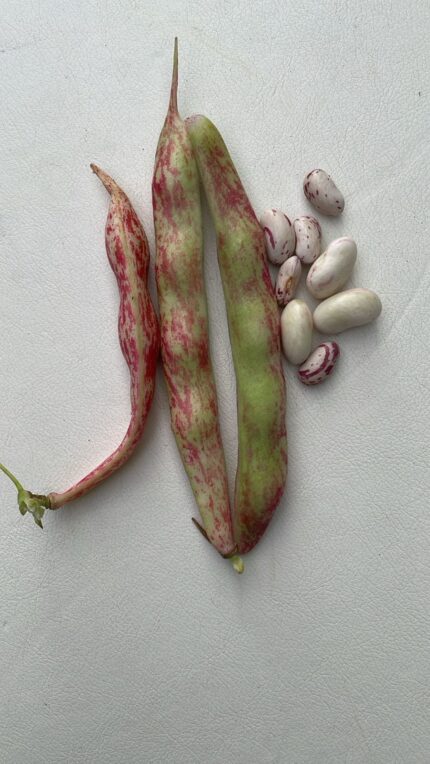
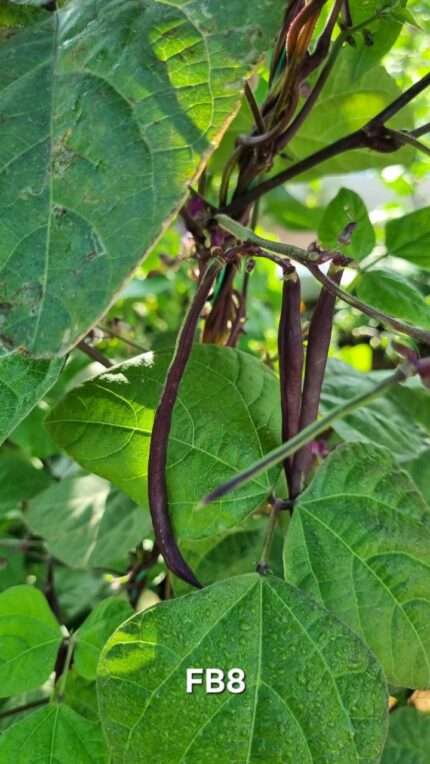
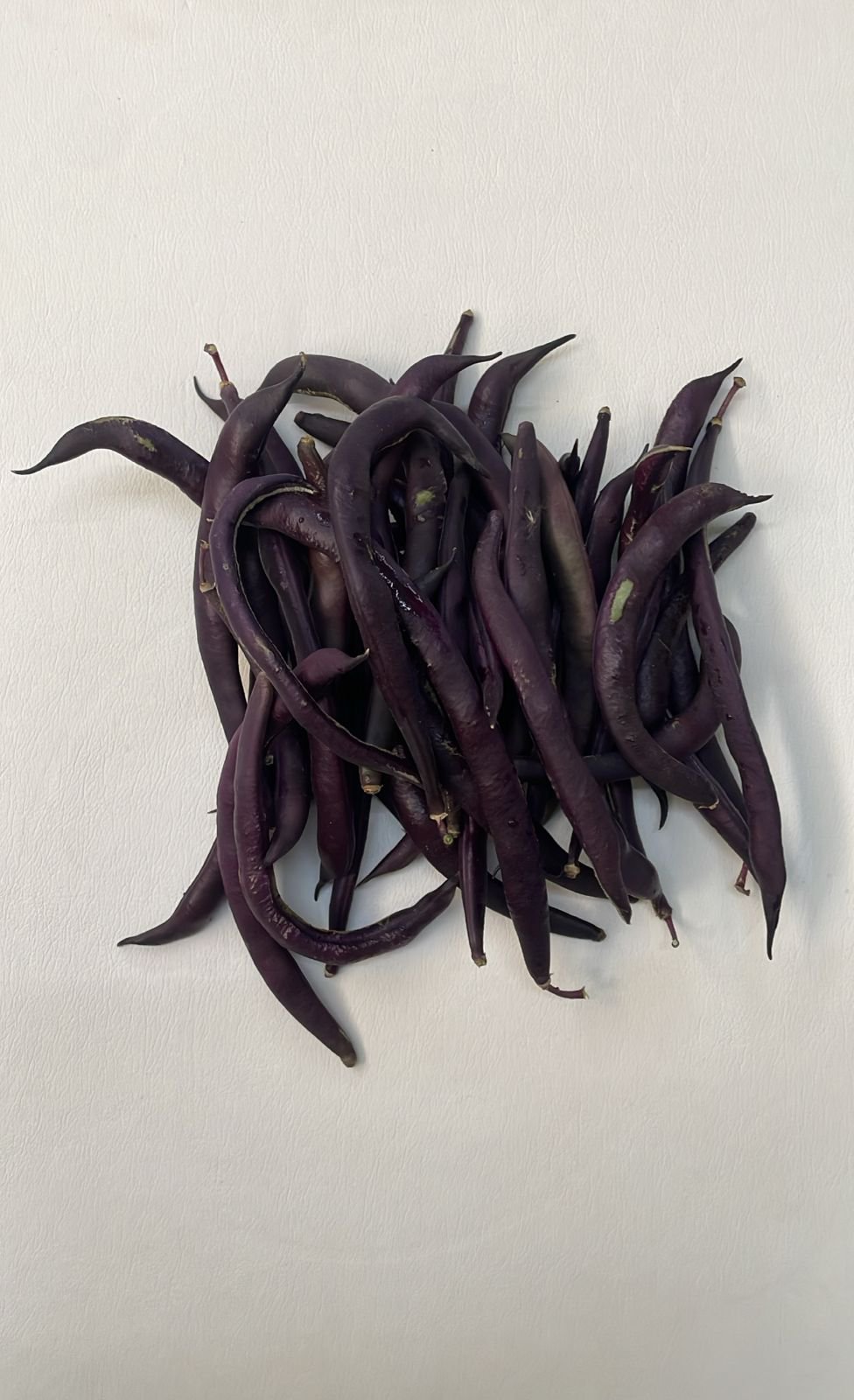
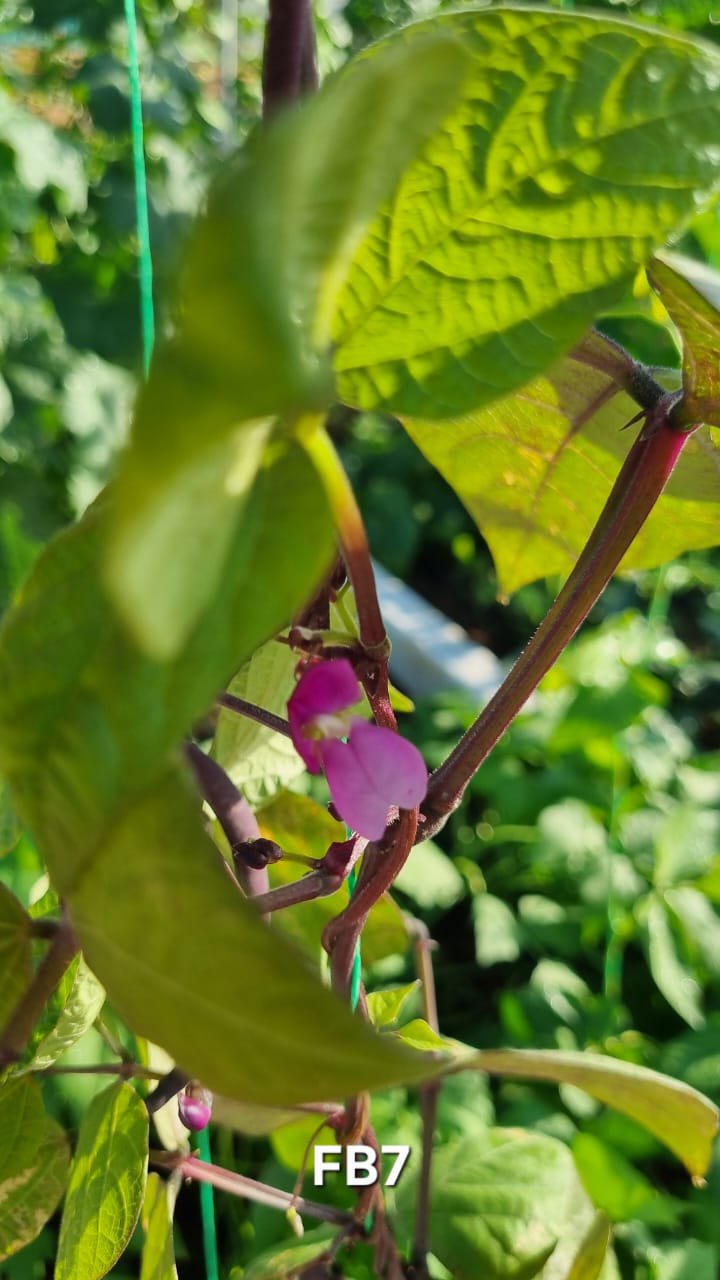
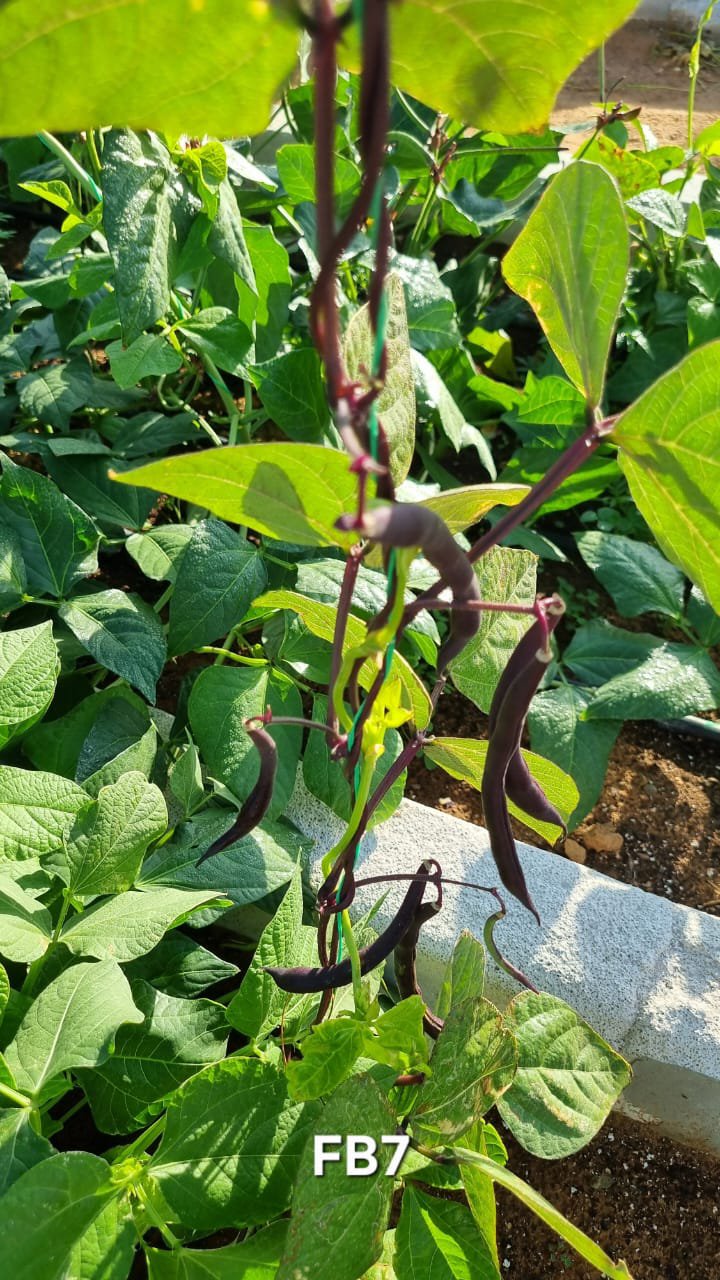
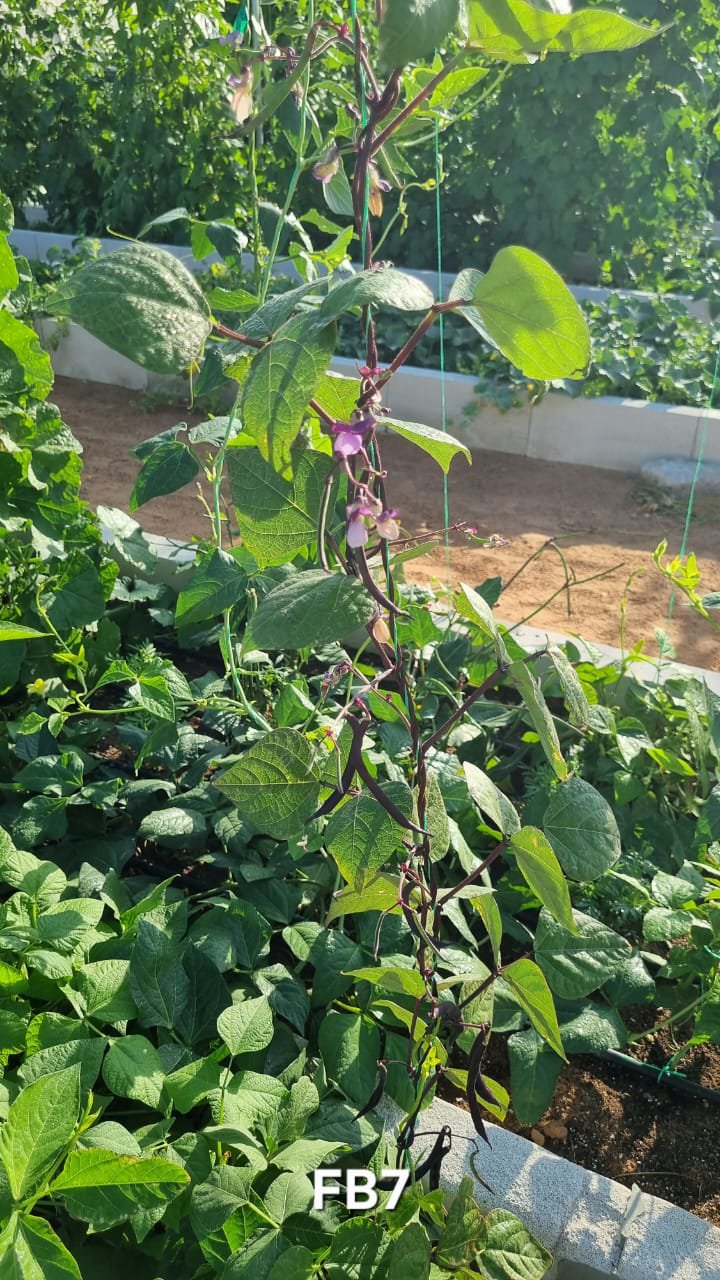
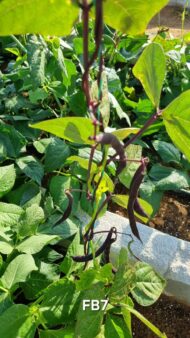
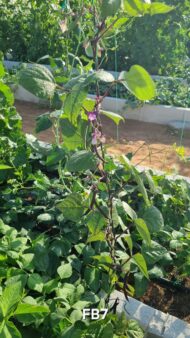
The ‘Blauhilde’ climbing bean is a popular German heirloom variety of French bean known for its high yield, striking deep purple, stringless pods, and attractive appearance in the garden.
Key Characteristics
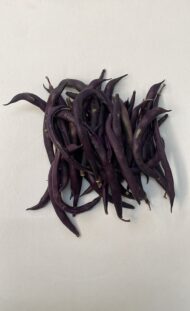
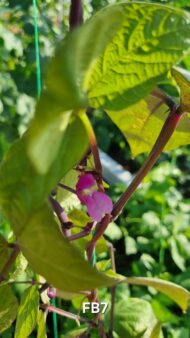
- Appearance: Produces abundant, long, dark purple pods (up to 11-12 inches/25-30 cm) and ornamental rose-purple flowers. The pods turn a rich green color when cooked.
- Growth Habit: A vigorous annual climber, the vines can reach heights of 6 to 9 feet (1.8-2.7 meters) and require sturdy supports like a trellis, a wigwam of canes, or an arch.
- Flavor & Use: The pods are tender and stringless when young. They can be enjoyed fresh in salads or cooked by boiling, steaming, or stir-frying. They are also suitable for freezing.
- Harvesting: Regular and frequent picking (when pods are 10-12 cm long) encourages the plant to continue producing over a long season, typically from July to October.
- Disease Resistance: This variety offers good resistance to the bean mosaic virus.
- Nutrition: Like other beans, they are a good source of protein, fiber, and various nutrients. Uncooked beans contain mild toxins that are destroyed by cooking, so they must be cooked before consumption.
Growing Tips
- Sowing: ‘Blauhilde’ is sensitive to frost. Seeds should be sown indoors in pots in late April/early May or directly outdoors after all danger of frost has passed and the soil temperature is at least 60°F (16°C). Soaking seeds for a few hours before planting can aid germination.
- Position: They thrive in a sunny, sheltered location with fertile, moisture-retentive, well-drained soil.
- Watering: The plants require consistent and thorough watering, especially during dry periods, to support their heavy foliage and pod production.
- Support: Provide strong supports at the time of planting to avoid disturbing the roots later.
- Maintenance: Once the vines reach the top of their support, pinch out the growing tips to encourage more flowering and fruiting lower down. They generally do not need much additional fertilizer if grown in organically-rich soil, as legumes fix their own nitrogen.

Reviews
Clear filtersThere are no reviews yet.