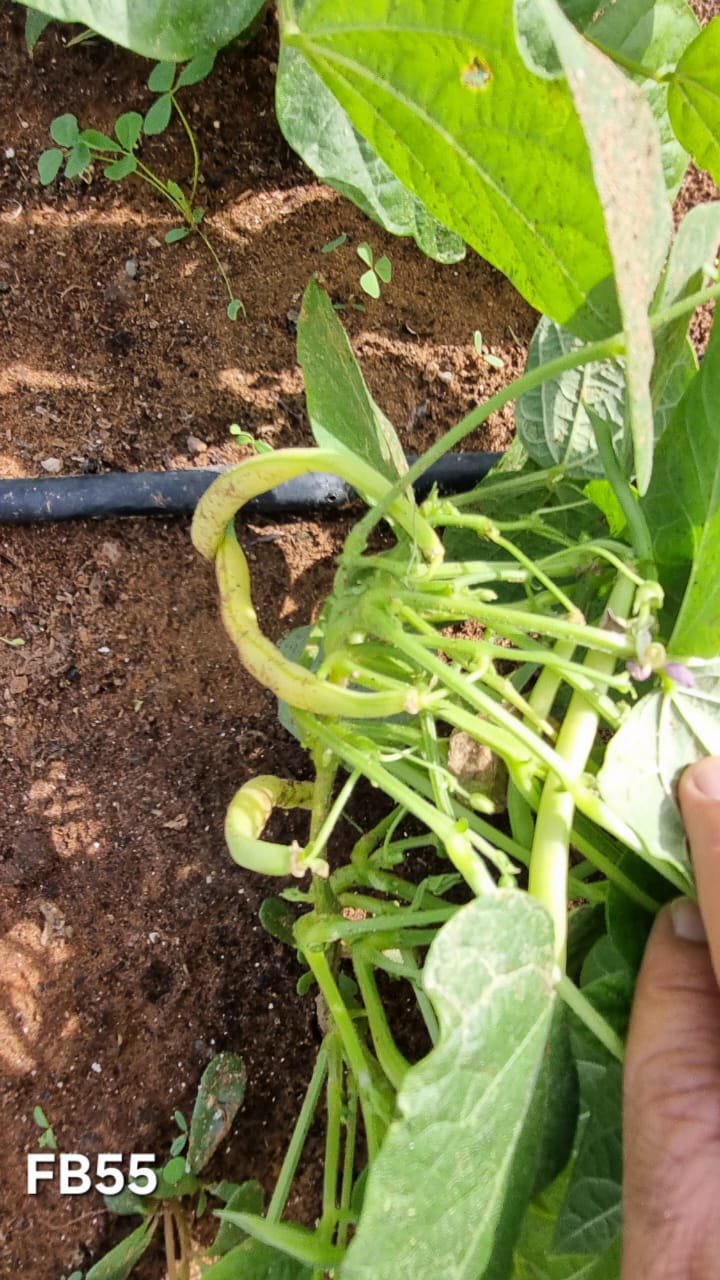
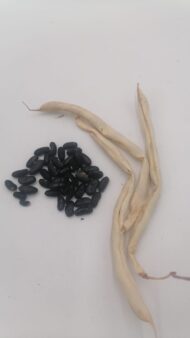
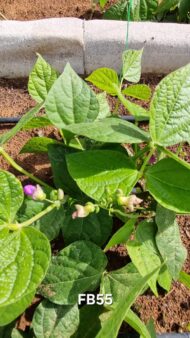
Organic Black Bean, often called the black turtle bean in the U.S.:
Origin & History
- Region: Predominantly grown in the Southern and Midwestern United States, with roots in Native American and Latin American agriculture.
- Variety: Many are heirloom cultivars preserved by small farmers and seed savers.
- Cultural significance: Used in traditional Southern, Southwestern, and Latin American cuisine for centuries.
- Plant & Growing Characteristics
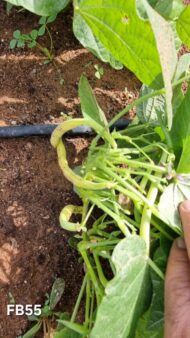
- Species: Phaseolus vulgaris
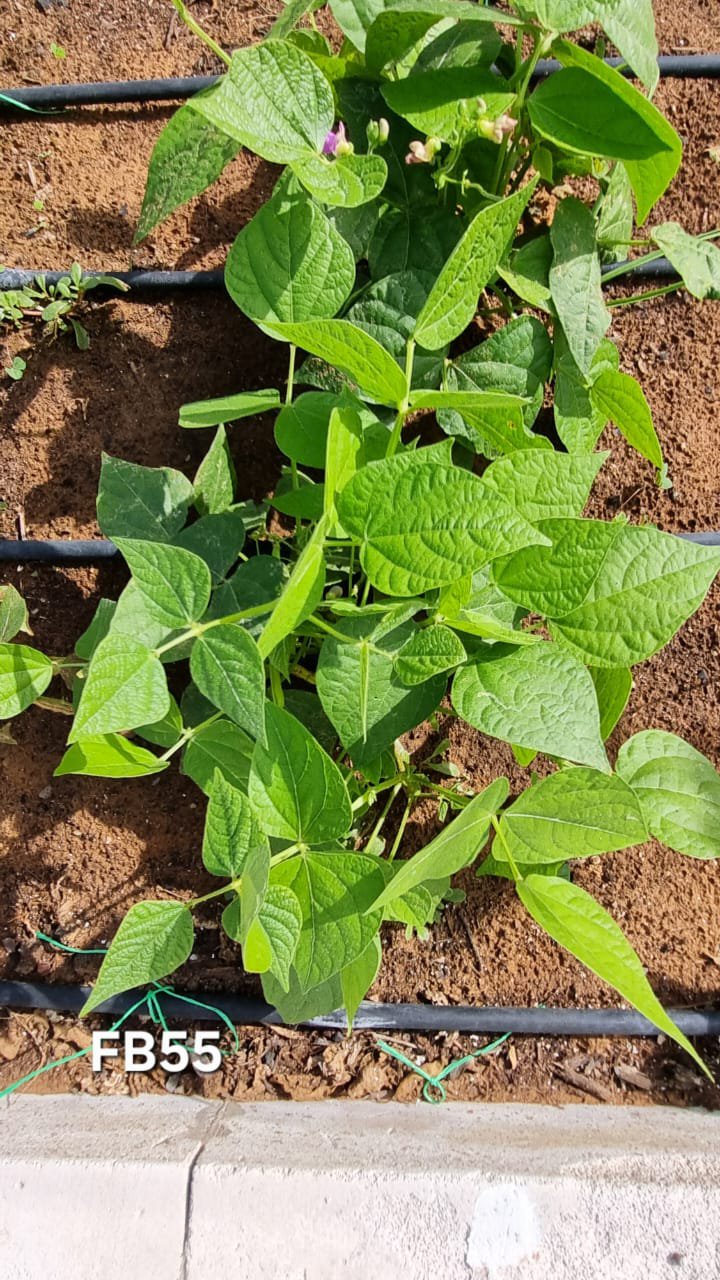
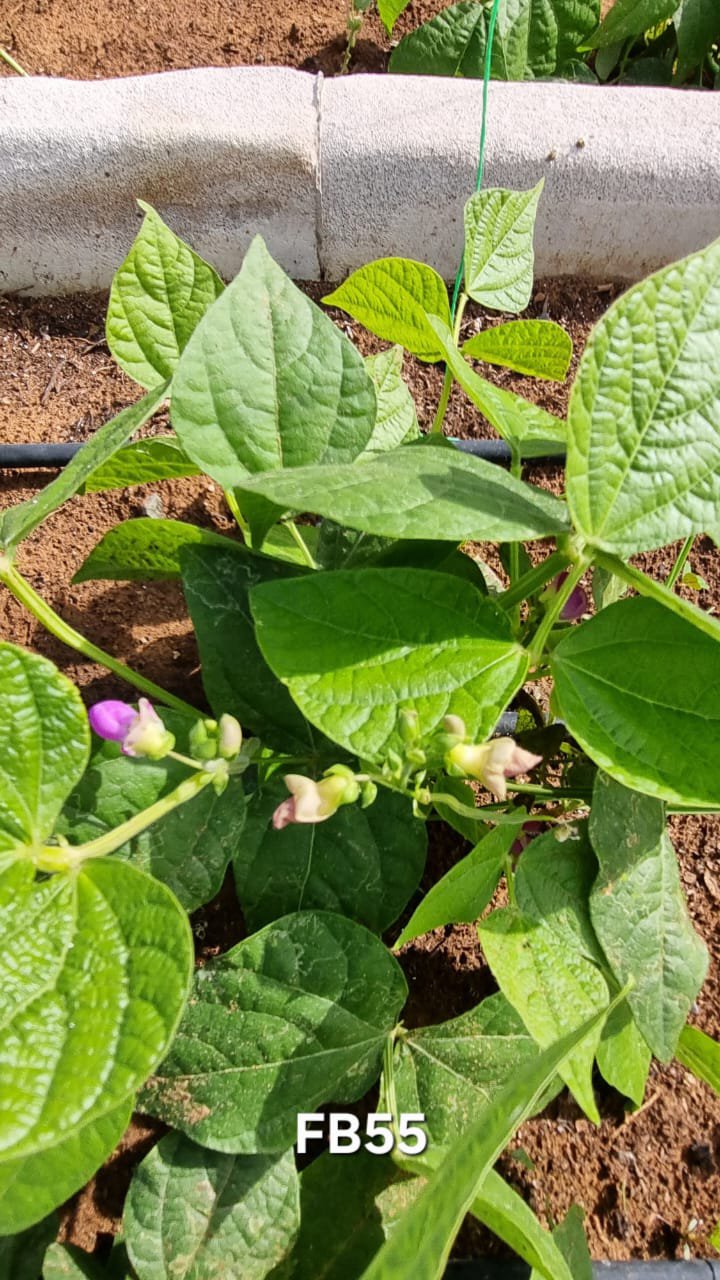
- Growth habit: Bush or short vine variety; compact, easy to grow in home gardens
- Maturity: 85–100 days from planting
- Climate: Warm-season crop; prefers well-drained, fertile soil
- Yield: Moderate; pods contain 4–6 beans each
Physical Characteristics
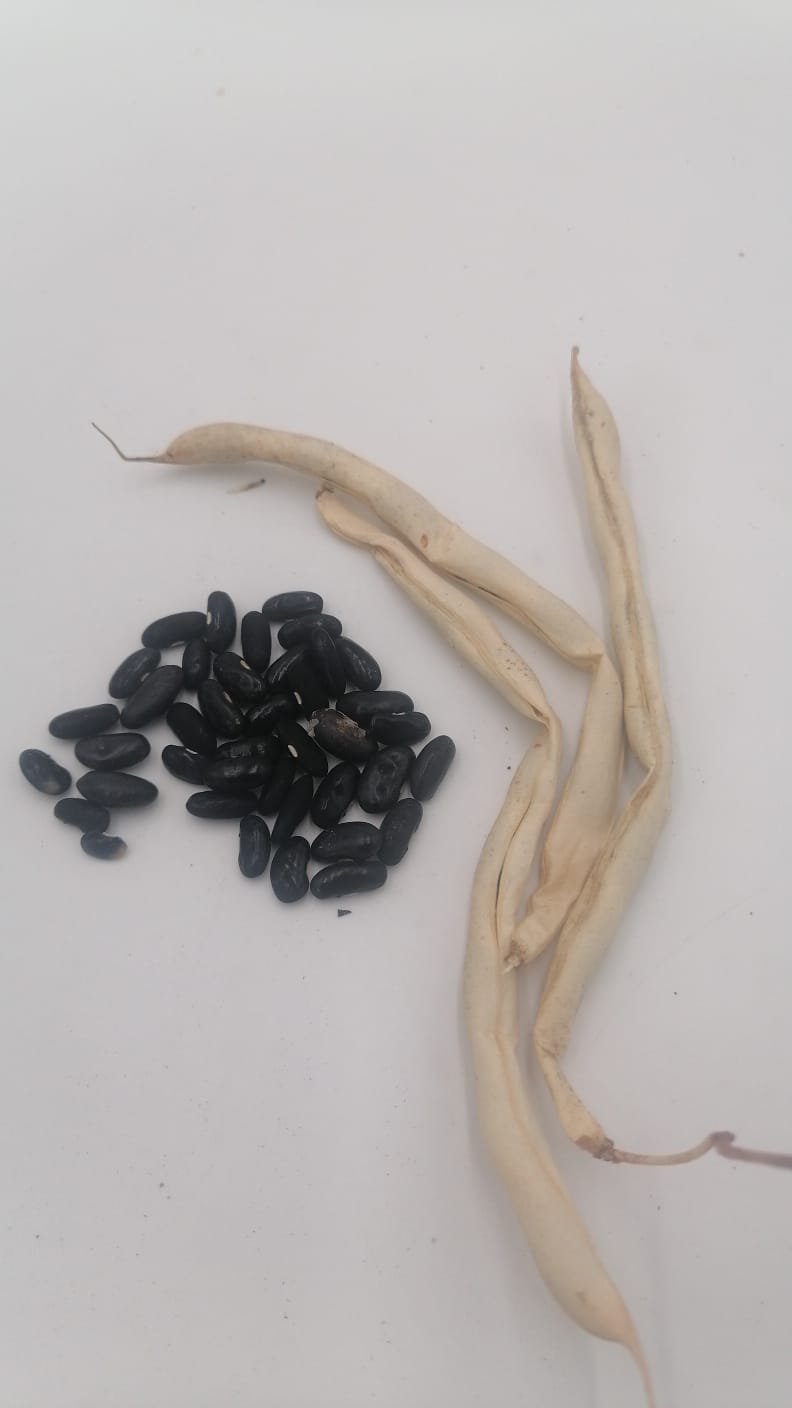
- Bean size: Small to medium oval
- Color: Glossy jet-black
- Skin: Thin but strong; holds shape well during cooking
- Texture: Firm when cooked, becomes creamy inside
Flavor Profile
- Rich, earthy, slightly sweet, and mildly nutty
- Subtle flavor makes it versatile for many recipes
- Less “beany” taste than some other dark bean.
Cooking Tips
- Soaking: 6–8 hours recommended to reduce cooking time and improve digestibility
- Simmering: 1–1.5 hours until tender
- Pressure cooking: ~25–30 minutes without soaking
- Salt: Add near the end to prevent skins from toughening
- Absorbs flavors from aromatics, herbs, and spices exceptionally well
Culinary Uses
- Southern and Southwestern cuisine: Chili, black bean soups, stews
- Latin American dishes: Black bean refritos, feijoada, salads
- Vegetarian/vegan cooking: Plant-based protein source for tacos, burritos, grain bowls
- Other uses: Dips, spreads, and bean purees

Reviews
Clear filtersThere are no reviews yet.