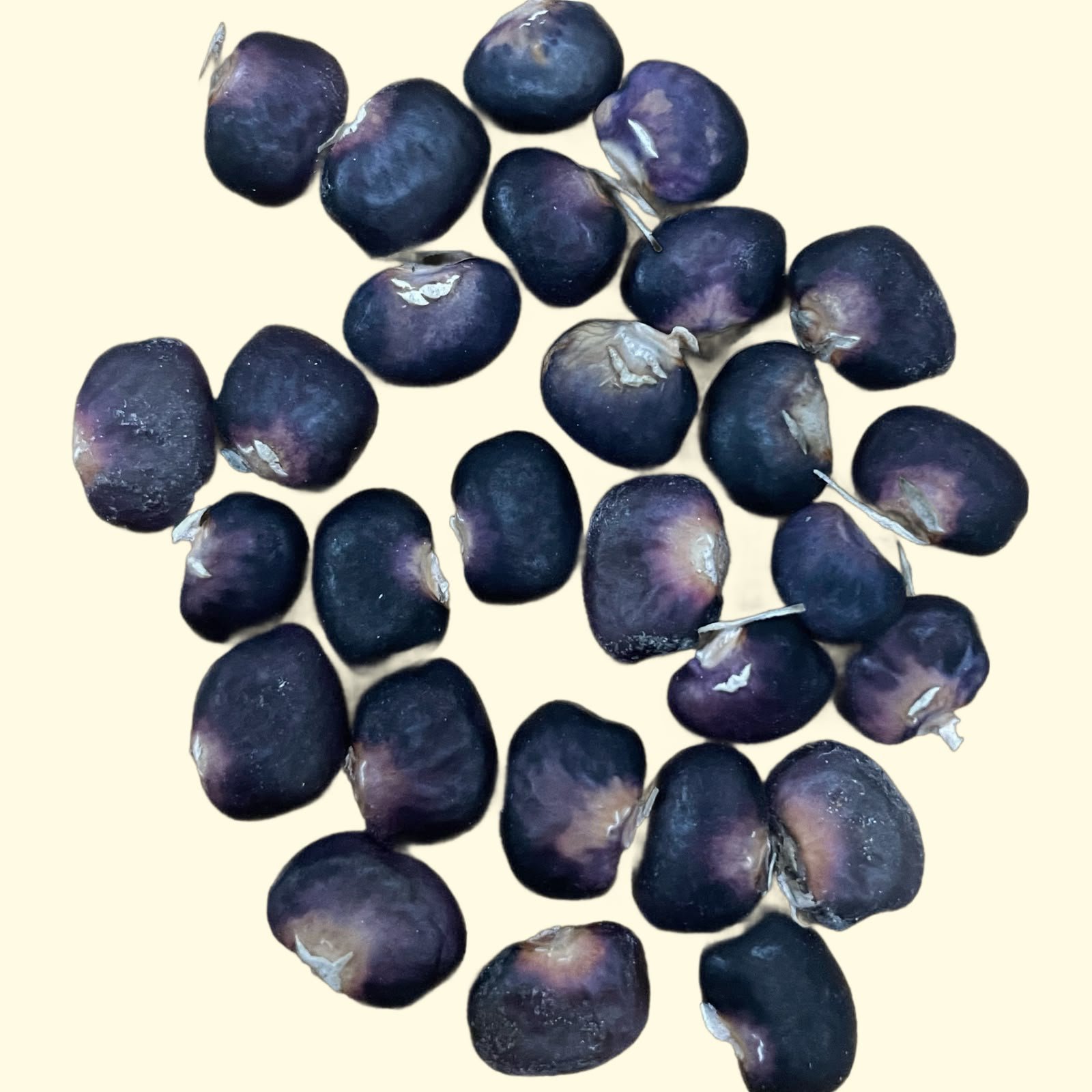
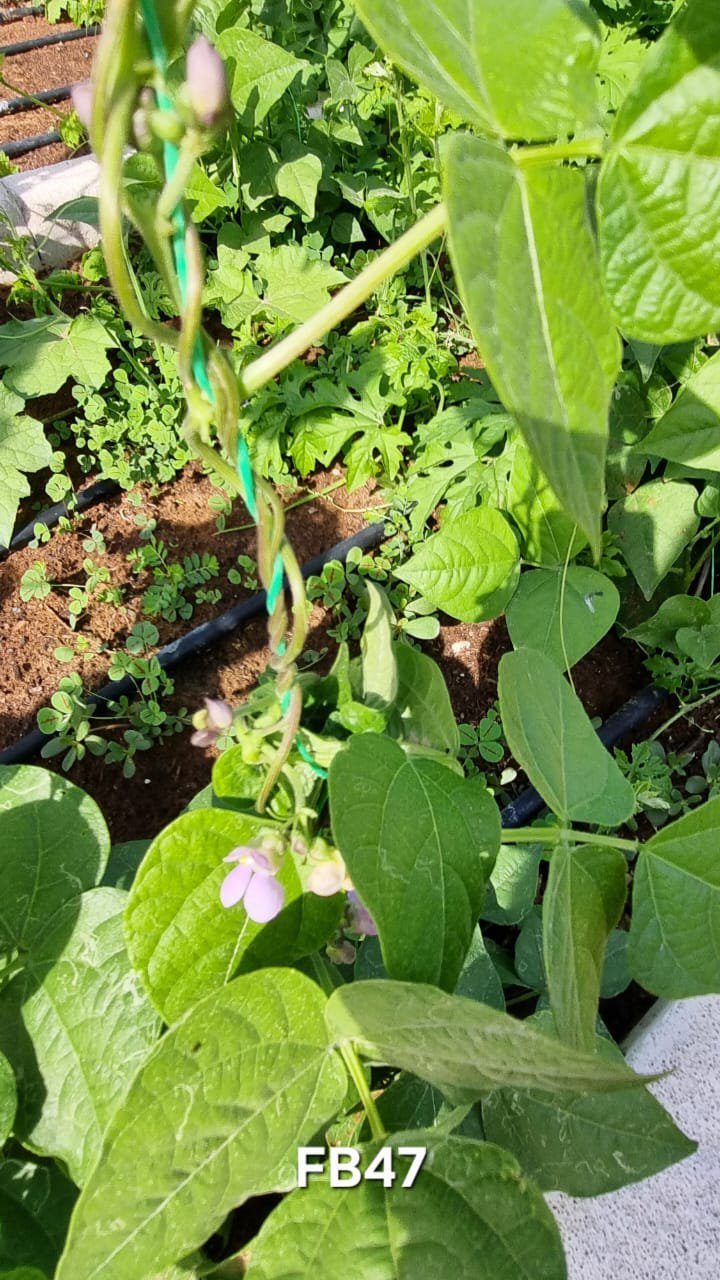
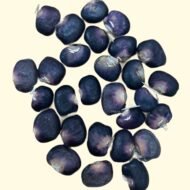
Succotash beans area rare, heirloomPhaseolus vulgarispole bean from the Narragansett tribe, known for their purple-blue, corn-kernel-shaped seeds, historically used in the traditional Indigenous dish succotash with corn, and valued for their sweet, nutty flavor when cooked as a dry or shelly bean. These vigorous climbing plants need support (trellis), warm soil (after frost), and full sun, maturing in about 80-100 days to produce meaty, flavorful beans perfect for hearty stews or as a versatile side dish.
Key Characteristics
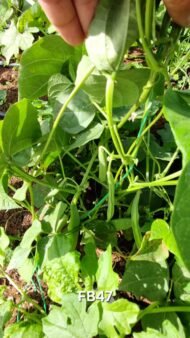
Appearance: Dime-sized, purple-blue seeds that look like corn kernels; green pods with mottling.
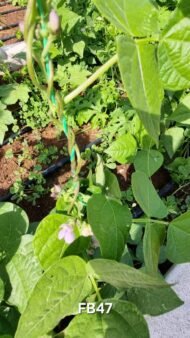
Type: A vigorous pole bean (climbing) that needs support.
Flavor: Sweet and nutty, becoming creamy and buttery when cooked.
Usage: Harvest as plump “shelly” beans or dry for long-term storage; excellent in succotash, soups, or as a side.
Growing Details
When to Plant: After the last frost, when soil is warm (70-80°F).






Reviews
Clear filtersThere are no reviews yet.