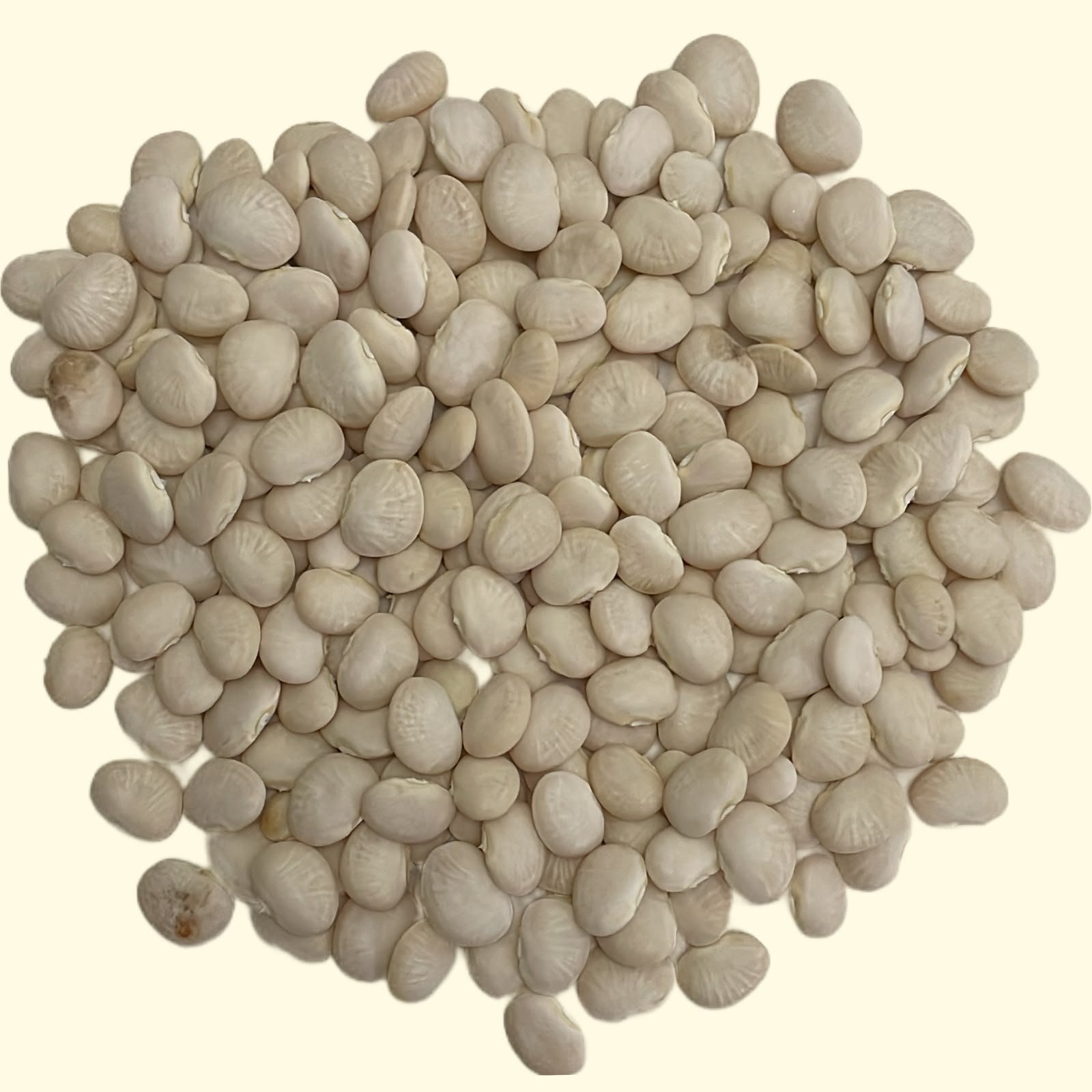
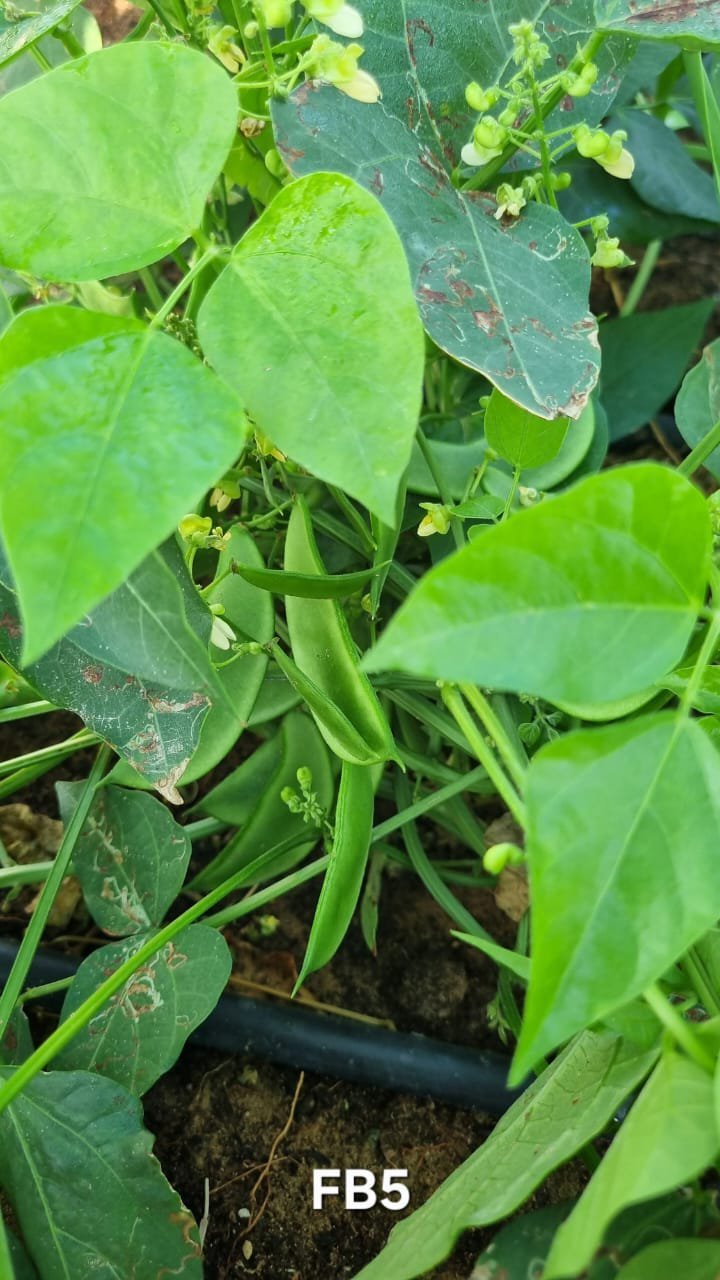
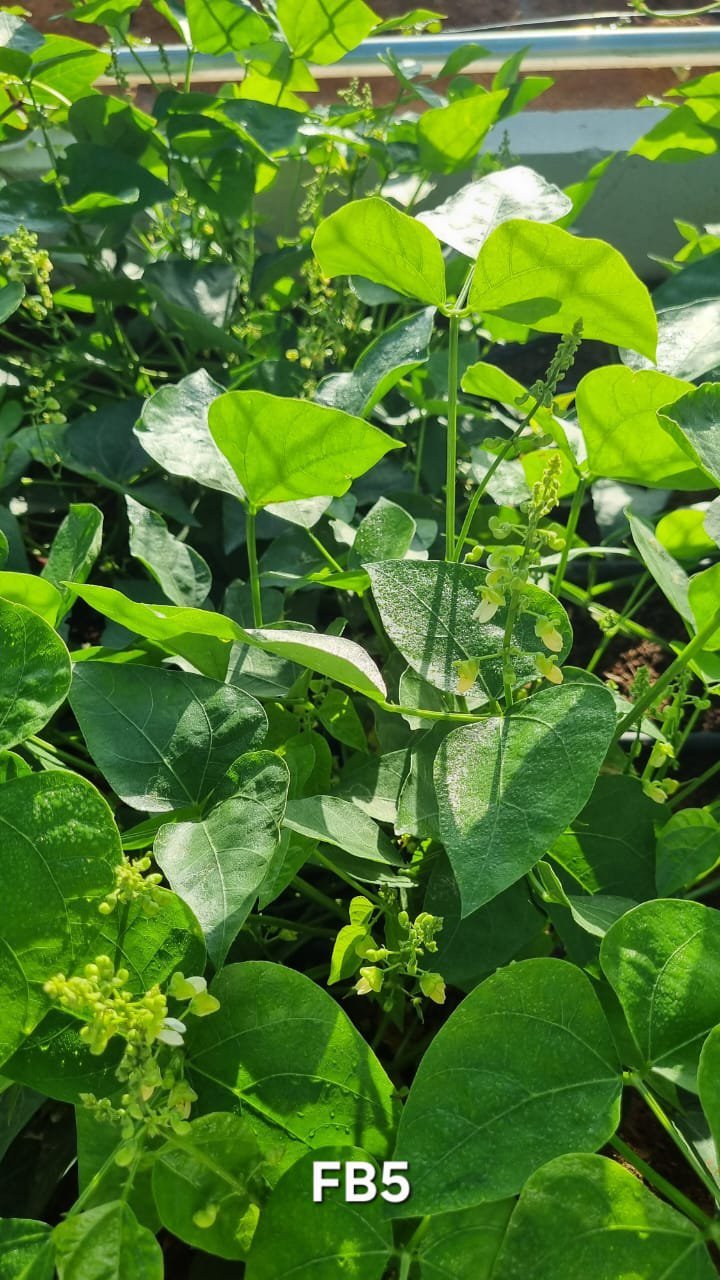
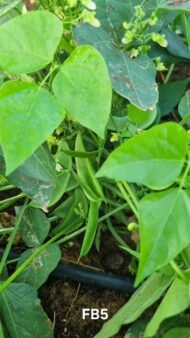
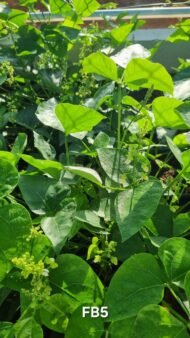
Henderson Lima bush beans (Phaseolus lunatus) arenutritious, buttery-tasting legumes grown for their flat, half-moon shaped seeds, requiring warm weather and full sun; they offer protein, fiber, and minerals, must be cooked to remove toxins, and grow as compact, early-maturing plants, perfect for home gardens, producing beans in pods that need proper harvesting when mature.
Key Details
Botanical Name:Phaseolus lunatus(hence “lunatus” for moon-shaped).
Common Names:Butter beans, chad beans, wax beans.
Plant Type:Bush variety (compact, 12-24 inches tall) vs. pole (vine) type.
Origin:Central & South America, grown as an annual in most climates.
Uses:Eaten fresh (cooked), dried, frozen, or canned; good source of fiber, protein, iron, magnesium, B vitamins.
Growing & Care
Sunlight:Full sun.
Soil:Well-draining, warm soil (60°F+).
Water:Needs consistent moisture, water from below to avoid leaf disease.
Climate:Warm season crop, sensitive to frost, needs a long season.
Harvest:Pick when pods are full (beans silhouetted) or when dry (rattling sound); harvesting consistently encourages more pods.
Important Notes
Toxicity:Raw lima beans are toxic andmust be cookedbefore eating.
Varieties:Large-seeded (Andean) and small-seeded (Mesoamerican) types exist, with colors from white to mottled.
Inoculation:Use specific lima bean inoculants for best results on new soil.
Growing Tip
To check if pods are ready, hold them up to the sun to see if the beans fill the pod, almost touching.






Reviews
Clear filtersThere are no reviews yet.